


Picture this: you’re in your late 50s, living in Boca Raton, and you haven’t done anything resembling a workout since around 2014. Your knees ache when you climb stairs. You feel winded carrying groceries. Your confidence in your own body has quietly eroded over a decade of desk work, family obligations, and stress. You know you need to do something – but where do you begin?
This scenario is far more common than most people think. Adults over 40 frequently have a 10+ year exercise gap caused by careers, raising kids, medical conditions, or simply losing the habit. Common concerns include fear of getting hurt, low energy, weight gain, joint pain, balance issues, and embarrassment about current shape. The goal here is not to train like an athlete in week one. It’s to rebuild strength, mobility, and confidence safely. A scientifically backed, personalized fitness plan guided by a qualified personal trainer is the safest and fastest way to get there.
Searching ‘Best Personal Trainers for Seniors Near Me’ in Boca Raton, FL? At The Facility for Personal Training in Boca Raton, we specialize in helping adults safely return to fitness after long periods of inactivity. Our trainers hold degrees in Exercise Science, Physiology, or Kinesiology and use a science-based approach designed to improve strength, mobility, balance, and overall functionality while accommodating medical conditions, joint limitations, and individual fitness levels.
Whether your goal is to lose weight, move with less discomfort, improve your energy, or simply feel confident in your body again, we’re here to help you take the first step. Call The Facility for Personal Training today at (561) 997-8348 or submit the contact form to schedule your consultation and discover how a personalized training program can help you rebuild your health, strength, and independence safely and effectively.
👉Also Read: What’s the Best Weight Lifting Gym in Boca Raton?
First Steps: What You Should Do in Your Very First Week Back
If you’re wondering what you should do if you haven’t exercised in 10 years, the answer starts before you ever touch a dumbbell.
Consult your doctor before starting any exercise program. This is especially critical if you are over 40, overweight, or managing conditions like high blood pressure, diabetes, or arthritis. A simple screening like the PAR-Q+ questionnaire or a physician evaluation can clear you for safe physical activity.
Once cleared, your first week should look like this:
- Begin with 5 to 10 minutes of low-impact movement to ease into exercise – a short walk around the block, gentle standing movements, or easy chair-based stretches.
- Incorporate light stretches before and after walking to improve circulation and reduce stiffness.
- Walking, swimming, and gentle yoga are recommended low-impact activities for your earliest days back.
- Try 3–4 simple at-home movements, 2–3 times during the week: sit-to-stand from a chair (no hands if possible), wall push-ups, gentle calf raises, and a 10-second single-leg balance hold near a counter.
Rather than joining a high-intensity class, you should consider booking a first session consultation with a senior personal trainer who specializes in adults returning to exercise after long breaks.
Why Restarting Exercise Is Harder After a 10+ Year Break
A decade of inactivity changes the body in ways that must guide any comeback plan – especially after age 40.
Muscle and bone loss: After age 30, sedentary adults lose roughly 3–5% of muscle mass per decade, accelerating to 5–8% after 50. This age-related muscle loss (sarcopenia) makes everyday tasks – stairs, carrying bags, getting off the floor – noticeably harder. Bone density declines in parallel, increasing fracture risk.
Cardiovascular and balance decline: Inactive seniors are twice as likely to develop heart disease compared to active peers. Cardiovascular endurance drops, resting heart rate climbs, and even moderate effort causes breathlessness. Balance and coordination deteriorate as proprioception dulls, increasing fall risk during simple tasks like turning or reaching.
Joint sensitivity and slower recovery: Long inactivity reduces synovial fluid circulation and cartilage nourishment, leaving joints stiff and inflamed. Recovery from even gentle exercise takes longer. Focus on flexibility and balance early to enhance mobility and prevent compensatory movement patterns.
Mental barriers: Intimidation at the gym, comparing yourself to your younger self, fear of re-injury, and overwhelming online advice all erode motivation. Many people fall into “all or nothing” thinking, which leads to quick burnout.
Generic gym programs and internet workouts rarely account for these changes, particularly for senior fitness needs and adults over 40 managing chronic conditions.
What You Should Avoid When You Haven’t Exercised in 10 Years
Knowing what not to do is just as important as knowing where to begin:
- Don’t jump into high-intensity boot camps, CrossFit-style sessions, or long runs. Deconditioned tendons, ligaments, and joints are highly susceptible to microtrauma when overloaded too soon.
- Don’t copy workouts from social media influencers who are decades younger and unaware of your medical conditions or fitness level. These programs assume prior conditioning and skip critical progression.
- Don’t train every day without rest. Deconditioned bodies need at least 48–72 hours between strength sessions on the same muscles. Overtraining leads to hormonal disruption, chronic fatigue, and diminished returns.
- Don’t ignore sharp pain, swelling, or persistent soreness in joints or the lower back. These are red flags, not badges of effort. Start with low-intensity exercises to avoid injury.
- Don’t focus solely on rapid weight loss through extreme dieting and cardio while neglecting strength training and mobility. Prioritize form over effort to prevent injury during exercise.
- Increase activity levels by no more than 10% each week to avoid overuse injuries. This applies to walk duration, resistance, and training volume.
👉Also Read: Should I Choose an Adaptive Trainer vs. a General Personal Trainer in Boca Raton?
Why a Professional Fitness Assessment Matters Before You Begin
Before designing any exercise program, a qualified personal trainer should conduct a thorough assessment – especially for someone inactive for a decade or more.
A proper assessment should include:
- Posture and movement screening: Basic squat patterns, hip hinges, overhead reaches, and walking gait to identify asymmetries and mobility deficits.
- Medical history review: Previous injuries, surgeries, medications, chronic conditions, and current joint limitations. Trainers assess health conditions before designing fitness plans.
- Current fitness level measurement: Resting heart rate, simple strength tests (wall push-ups, sit-to-stands), and balance checks tailored to adults 40+.
- Flexibility and mobility screens: Hip flexors, hamstrings, shoulders, ankles, and spine. Identify limitations and modify movements for existing pain or conditions.
Findings are used to create realistic fitness goals and timelines. For example, walking 30 minutes comfortably by week 12 or improving strength enough to climb stairs without discomfort. Programs are tailored to specific fitness levels and goals – not a one-size-fits-all template.
What a Safe 12-Week Comeback Plan Can Look Like
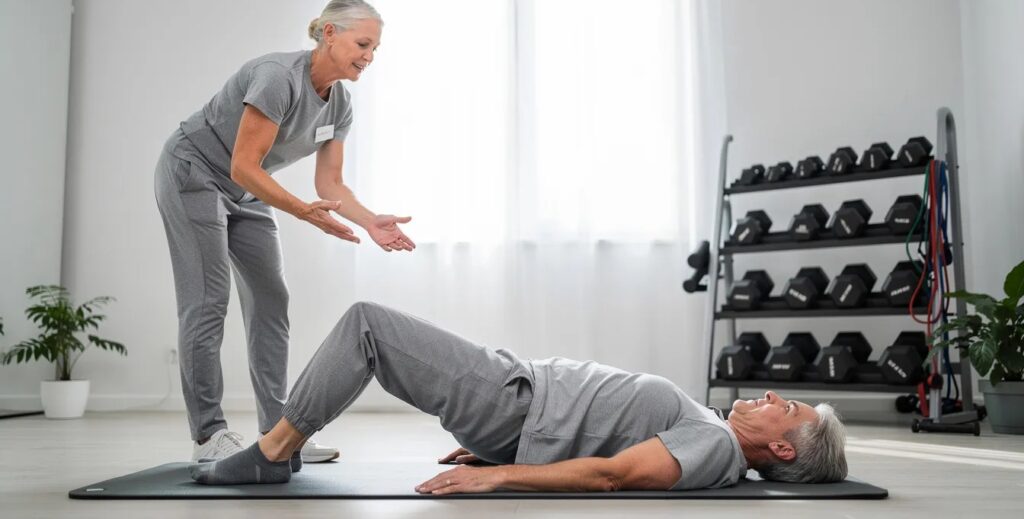
The following phases outline how a client might safely progress. A certified personal trainer will adjust timing based on health, recovery, and individual goals like weight loss or improved endurance. Each phase includes strength training, low-impact cardio, and mobility work, with 2–4 weekly training sessions depending on starting ability.
Weeks 1–2: Rebuilding Movement and Confidence
This phase focuses on gentle, joint-friendly movement to wake up muscles without overwhelming the body.
- Light strength training using bodyweight, resistance bands, or light dumbbells with controlled tempo and safe form.
- Basic core activation: dead bugs, pelvic tilts, gentle bridges. Posture drills for sitting, standing, and walking.
- Short low-intensity walks or recumbent bike sessions of 10–20 minutes, 3–5 days per week – keeping conversation possible during cardio.
- Emphasis on learning proper technique under supervision. Strength training enhances daily activity performance, even at this early stage.
- Rest and sleep: target 7–9 hours, allow 48–72 hours between strength sessions.
Weeks 3–6: Building Foundational Strength and Endurance
Gradually increase resistance in weight training by adding simple compound movements like supported squats, rows with bands or light dumbbells, and chest presses.
- Cardio progression: from 10–20 minutes to 20–30 minutes per session. Monitor breathing and heart rate throughout. Gradually increase exercise intensity as fitness improves.
- Mobility and flexibility training targeting the hips, hamstrings, chest, and shoulders to reduce stiffness from years of sitting.
- Track energy levels, sleep quality, and soreness to guide how often to schedule training sessions and rest days.
- Most clients over 40 do well with two personal training sessions per week plus one or two independent walks or light activities.
Weeks 7–12: Developing Strength, Balance, and Everyday Function
This phase aims to make life easier – climbing stairs, carrying groceries, traveling, playing golf, or pickleball.
- Progress strength training by modestly increasing weight or repetitions, always prioritizing technique over ego.
- More targeted balance and stability work: single-leg stands near support, step-ups, and gentle multi-directional lunges as appropriate. Regular exercise reduces the risk of falls in seniors – this is where that protection begins to develop.
- Mix steady-paced cardio with short intervals of slightly higher effort if medically cleared.
- By week 12, many clients notice better posture, improved mood, easier movement, and initial changes in body composition or weight loss.
👉Also Read: Living With Diabetes in Boca Raton, FL? Here Is Why Strength Training Should Be Part of Your Plan
Why Strength Training Is Essential After 40 (Especially After a Long Break)
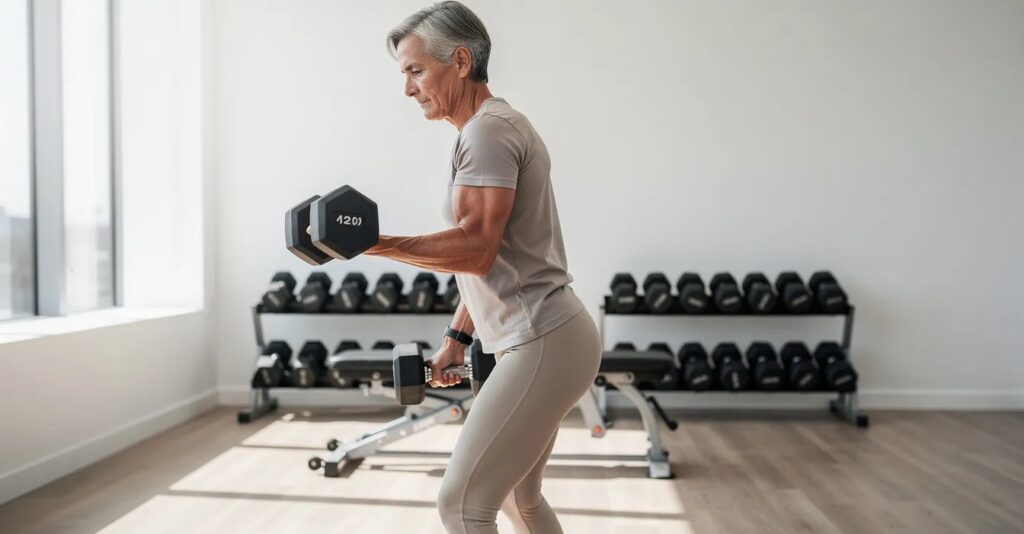 Strength training is the non-negotiable element of any safe comeback – more critical than high-volume cardio for adults over 40.
- Resistance training preserves and rebuilds muscle mass and bone density, reducing the risk of osteoporosis and fractures. Physical activity helps prevent osteoporosis in older adults.
- More muscle supports a healthier metabolism, making weight management and weight loss easier in midlife and beyond.
- Improved posture, joint stability, and confidence for activities like golf, pickleball, walking on the beach, and travel.
- Exercise improves cognitive function and memory in seniors – a benefit that cardio alone cannot fully deliver.
- One large study of 147,000 people tracked over 30 years found that 90-120 minutes of strength training per week was linked to a 19% lower risk of death from cardiovascular disease, with even greater benefits when combined with regular aerobic exercise.
- Proper supervision and form correction from an experienced personal trainer significantly reduces injury risk for deconditioned adults.
Exercising Safely with Medical Conditions or Past Injuries
Many adults restarting exercise in Boca Raton manage conditions like arthritis, chronic back pain, diabetes, or cardiovascular health concerns. This doesn’t disqualify anyone from training – it demands expertise.
A well-trained certified personal trainer can design modifications: reduced squat depth for knees, adjusted press angles for shoulders, and neutral spine drills for back issues. Customized workouts can accommodate the special needs of seniors with these conditions.
Key considerations include:
- Diabetes: Monitor blood sugar, time exercise after meals, and carry snacks to avoid hypoglycemia.
- Arthritis: Use joint-friendly ranges of motion and controlled tempo. Avoid deep flexion if painful.
- Osteoporosis: Emphasize safe axial loading, standing weight-bearing exercises, and proper nutrition (vitamin D, calcium).
- Cardiovascular disease: Begin with very low intensity, gradual progression, and careful monitoring of symptoms.
Slow progression, longer warm-ups, and pain monitoring are essential.
Why Adults Over 40 in Boca Raton Choose One-on-One Personal Training
As a Boca Raton personal trainer working primarily with adults 40+ and seniors, the difference a private, science-based environment makes is significant.
At The Facility for Personal Training, clients experience:
- A truly private, one-on-one environment without general gym crowds or membership pressure
- Training sessions based on scientifically backed methods – progressive resistance, functional movement patterns, and controlled tempo through the DVNS (Dynamic Variable Muscular Stimulation) system
- Fitness professionals who hold four-year degrees in Exercise Science, Physiology, or Kinesiology with expertise working with clients from Boca Raton, Boynton Beach, and nearby Fort Lauderdale
- Focus on functional fitness: getting off the floor, climbing stairs, maintaining independence, traveling comfortably, and enjoying active retirement
- Senior fitness programs designed to improve strength and balance to reduce fall risk
- A distraction-free space with evidence-based programming and clear communication with medical providers when needed
How Often Should You Train When Restarting After 10+ Years?
Ideal frequency depends on age, health, recovery capacity, and goals. Aim for at least 30 minutes of exercise three times a week as your initial target – not necessarily all strength training.
Many beginners over 40 do best with 2–3 personal training sessions per week plus light walking or low-impact activity on other days. Recovery days are essential at first, particularly if joint discomfort, chronic fatigue, or overuse history is present.
A trainer gradually adjusts frequency and volume as your fitness level improves, possibly adding an extra weekly session after 6–8 weeks.
👉Also Read: Does Exercise Make Older Adults Live Longer? Insights from Boca Raton, FL Senior Fitness Trainers
Ready to Restart? Boca Raton’s Expert Personal Trainers Are Here to Help
Starting over is not a weakness. It is one of the most powerful decisions you can make for your health, your independence, and your quality of life. At The Facility for Personal Training in Boca Raton, we specialize in adults over 40 who are returning to fitness after a long break, including those managing medical conditions, past injuries, or simply not knowing where to begin.
Every client starts with a thorough assessment, and every program is built around your specific body, your goals, and your timeline. No open gym floor. No guesswork. Just one-on-one, science-based training guided by degreed professionals who understand exactly what your body needs at this stage of life.
Your comeback starts with one phone call. Reach us at (561) 997-8348. We answer personally, every time.
Frequently Asked Questions
Am I Too Out of Shape to Work with a Personal Trainer in Boca Raton, FL?
No one is too out of shape to begin. Trainers and fitness coaches in Boca Raton, FL routinely work with clients who have not exercised since their 40s or 50s. Your program is built around your current fitness level and medical conditions, not where you think you should be. The first few sessions focus on safety, assessment, and comfort rather than intensity. Even young athletes start with fundamentals when returning from long breaks.
Is Walking Enough Exercise If I’m Over 40 and Haven’t Worked Out in Years?
Walking is an excellent starting point for cardiovascular health, joint lubrication, and mood improvement, especially in the first few weeks back. However, long-term overall health after 40 also requires strength training to preserve muscle mass and bone density. Combining regular walking with two brief strength sessions per week creates a far more complete program that supports energy, diet goals, and functional independence.
How Long Will It Take to Feel a Difference After Restarting Exercise?
Many people notice better energy, sleep quality, and mood within 2-4 weeks of consistent, gentle physical activity. Noticeable strength, balance, and posture changes often appear within 8-12 weeks when following a structured, supervised plan.
According to research published in peer-reviewed journals and cited by UCLA Health, older adults with sarcopenia who follow resistance training programs three times weekly show significant increases in strength within 8 to 12 weeks. Weight loss timelines vary based on nutrition, stress, and consistency, so view them as a long-term goal rather than a week-to-week measure of success.
Can I Start Exercising Again If I Have Arthritis or Chronic Joint Pain?
Most people with arthritis or joint pain benefit from carefully designed movement, not complete rest, as long as their doctor approves. A trainer at The Facility with the right skills can select low-impact exercises, adjust the range of motion, and control tempo to protect painful joints. Collaboration between your trainer and physician ensures your workout plan supports rather than conflicts with your overall care.
What If I’m Nervous About Going to a Gym After So Many Years?
Many adults feel intimidated by busy gyms and younger crowds after a long break from exercise. Starting in a private personal training studio where every session is one-on-one removes that pressure entirely. This setting lets you develop proper technique, build confidence, and maximize results without distractions, judgment, or the motivation-killing atmosphere of a crowded gym floor.