

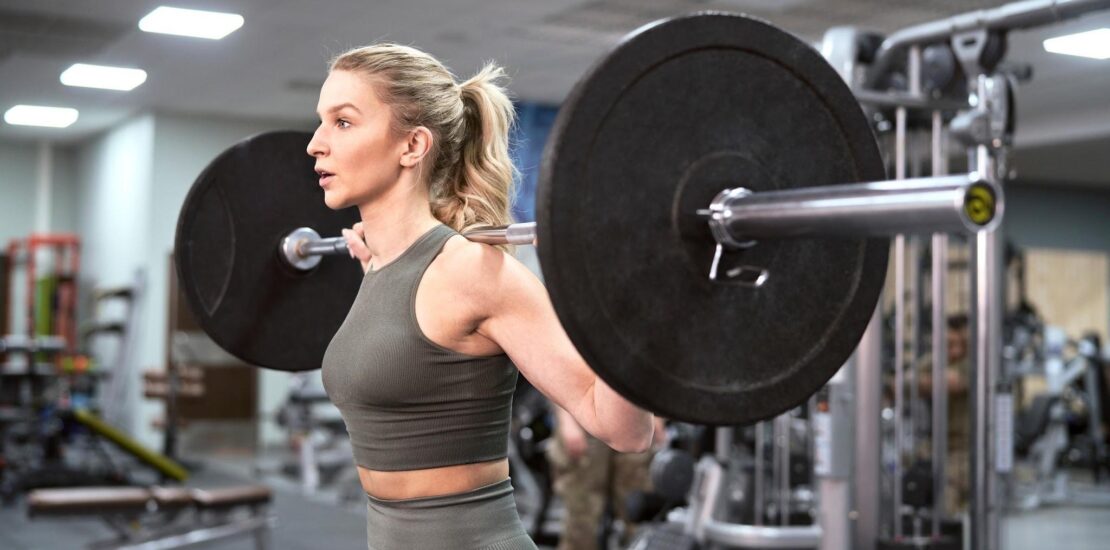
Resistance training among adults 40+ has become one of the fastest-growing fitness categories in South Florida. More retirees and active professionals recognize that strength training isn’t just for elite athletes or bodybuilders; it’s essential for maintaining independence, bone density, and the ability to enjoy Florida’s active lifestyle. Whether you spend mornings at Boca Raton Municipal Golf Course, compete in Palm Beach County’s pickleball leagues, or simply want to walk the beach without back pain, strength is the foundation of it all.
But the best weight-lifting gym for most adults 40+ isn’t necessarily the biggest or cheapest facility. It prioritizes safety, personalization, and science-based programming over flashy amenities.
The Facility for Personal Training in Boca Raton is built around exactly this approach. Rather than offering rows of machines and leaving you to figure things out alone, it specializes exclusively in 1-on-1 private personal training for adults 40+, including those with joint issues, previous injuries, and women navigating menopause, all under the direct supervision of fitness professionals holding graduate degrees in Exercise Science. Contact us today at 561-997-8348 to speak directly with our team and schedule your personalized consultation.
👉Also Read: Living With Diabetes in Boca Raton, FL? Here Is Why Strength Training Should Be Part of Your Plan
What Makes a Weight Lifting Gym Truly Effective for Adults 40+?
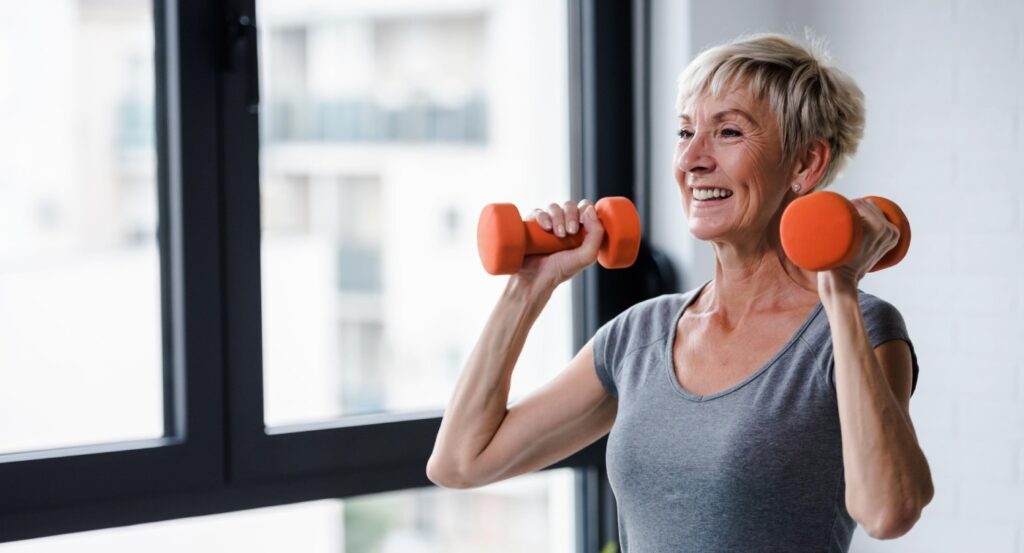
“Best” doesn’t mean more equipment or a lower monthly fee. It means evidence-based methods, expert coaching, and programs tailored to your age, health history, and specific goals. For adults 40+, these factors determine whether you see real results or end up injured and discouraged.
The DVNS Science™ + AI Training System
At the core of effective strength training for older adults is a methodology that maximizes results while minimizing joint stress. The Facility uses DVNS Science™ (Dynamic Variable Muscular Stimulation), a proprietary training system developed by Dr. Barry Steinberg. DVNS is built on controlled tempo work, variable resistance curves, and systematic progressive overload.
In practice, this means deliberately slowing the lowering phase of each movement, pausing at peak tension, and lifting with control. This approach, rooted in eccentric and time-under-tension training principles, recruits more muscle fibers per repetition than fast, momentum-driven movements. Combined with resistance curves that match the joint’s natural strength arc, it produces efficient strength gains without unnecessary wear on knees, hips, or shoulders.
The DVNS system now integrates AI technology. The platform uses clinical-grade InBody 970 body composition analysis, detailed medical history, injury records, and fitness assessments to generate individualized workout blueprints aligned with peer-reviewed research. Each plan is then reviewed and delivered by a certified trainer, technology informing human expertise, not replacing it.
Graduate-Degreed Trainers, Not Just Certified
All trainers at The Facility hold graduate degrees in Exercise Science, Physiology, or Kinesiology. The team includes former athletes and strength and conditioning coaches from local universities.
This level of expertise is essential when clients present with arthritis, chronic back pain, blood pressure concerns, or post-surgical needs. These trainers can coordinate with physicians and physical therapists. They understand the difference between a movement that builds strength and one that aggravates an existing condition.
For women in perimenopause and menopause specifically, this matters enormously. Coaches are experienced in adapting intensity, recovery periods, and exercise selection based on hormonal changes, sleep quality, and energy fluctuations, factors that general personal trainers rarely address.
Personalized Programming, Not One-Size-Fits-All
Effective programming starts with understanding where you are right now. The Facility’s intake process includes a health history review, movement screening, and baseline strength and mobility assessments. This isn’t a formality; it’s the foundation for a plan that works for your body.
Programs are tailored to specific goals: improving bone density, enhancing balance, building lean muscle, and supporting cardiovascular health. For women ages 45–65+, sessions are structured around hip and spine strengthening, controlled impact-loading where appropriate, and strategic recovery that respects the realities of disrupted sleep and joint sensitivity.
Programming adjusts week to week based on your progress, energy, and any flare-ups. If your knee aches on a Wednesday, your coach adapts the session on the spot rather than pushing through a predetermined routine.
Private, 1-on-1 Training Environment
The Facility offers exclusively private, 1-on-1 personal training sessions, no group classes, no shared floor time. This contrasts with commercial gyms, where members compete for equipment and lift unsupervised.
For women and beginners especially, this removes the intimidation factor common in large gyms. There’s no pressure to keep pace with younger members. The focus remains entirely on your progress within a calm, organized, distraction-free space.
Why Traditional Gyms Often Fail Adults
Crowding and Unpredictability
During peak hours, many fitness environments can become busy, often leading to wait times of 15 to 30 minutes for equipment. For individuals with structured schedules, including working professionals and retirees, this level of unpredictability can disrupt consistency and make it more difficult to maintain a regular training routine.
No Real Guidance
Most commercial gyms operate on an open-access model: you pay your monthly fee, get a brief orientation, and figure out the rest yourself. For adults with joint issues, cardiovascular concerns, or a history of surgery, this significantly increases the risk of setback.
Research consistently shows that supervised training produces greater strength gains, higher adherence rates, and fewer adverse events in older adults compared to unsupervised exercise, a finding supported by multiple peer-reviewed systematic reviews and reflected in ACSM guidelines for higher-risk populations.
One-Size-Fits-All Programming
Whether it’s a HIIT class or a general strength circuit, standard group programming rarely accounts for individual limitations, medical histories, or age-specific needs, leading to overuse injuries and dropout.
Wrong Focus for Women
Women seeking dedicated weight training often find that available classes are cardio-heavy rather than strength-focused. Most fitness centers don’t offer programming tailored to menopause or the bone health concerns affecting a large portion of Boca Raton’s 40+ female population.
High Dropout Rates
The Health & Fitness Association’s 2025 Fitness Industry Benchmarking Report found the average gym retains approximately 66% of its members annually, meaning roughly 1 in 3 members leave each year. Broader industry research indicates nearly half of all new members stop attending within their first six months.
For adults 40+, the reasons go beyond cost. Feeling lost, unsupervised, and without a clear plan accelerates dropout faster than any other factor. Structure, expert guidance, and accountability are what separate a gym that transforms your health from one that simply collects dues.
The Real Benefits of Specialized Strength Training for Adults 40+
Preserving Muscle Mass
Research estimates muscle mass declines at approximately 1% per year from middle age, accelerating to 1–2% per year after age 50.
For women, structured strength training preserves and builds lean muscle, supporting metabolism, posture, and injury prevention throughout life. At The Facility, this means emphasis on hip and core strength, glute development, and upper-body work that builds functional capacity.
Menopause-Specific Training
Menopause brings specific challenges. Declining estrogen accelerates bone loss; nearly 1 in 2 women over 50 are affected by low bone mass or osteoporosis when both conditions are considered together. Fat distribution shifts toward the midsection, and energy levels fluctuate unpredictably.
Effective menopause-specific weight training prioritizes progressive overload, multi-joint movements, and appropriate impact-loading for bone health.
At The Facility for Personal Training, coaches adjust training variables, volume, frequency, recovery, and exercise selection around hot flashes, sleep quality issues, and joint sensitivity. Programming may include controlled step-ups for bone loading, trap bar deadlifts at moderate intensities for spine and hip strength, and tempo-controlled movements that challenge muscles without stressing joints.
General Health and Functional Fitness
Consistent strength training delivers benefits well beyond muscle size. Meta-analyses consistently show that resistance training reduces resting systolic blood pressure by an average of 4–6 mmHg in adults aged 40 and older, a clinically meaningful reduction comparable to some antihypertensive medications, and significantly lowers HbA1c and fasting blood glucose in individuals with type 2 diabetes or at risk of it.
Real-world benefits for adults include:
- Loaded carries build capacity for everyday tasks like carrying groceries or navigating stairs
- Squats and deadlifts develop the strength to rise from low furniture, a key predictor of longevity
- Rows counter upper-back weakness that causes pain during golf or long beach walks
- Stronger hips and legs translate into more powerful, injury-resistant golf and pickleball
- Enhanced balance makes navigating uneven outdoor surfaces safer
- Regular resistance training is associated with significant improvements in anxiety and depressive symptoms, according to multiple published meta-analyses
How to Choose the Right Weight Lifting Gym in Boca Raton
Before committing to any facility, evaluate it against these criteria:
Structured Assessment and Written Plan: Quality gyms provide a health history review, movement screen, and a written program, not just equipment access
Ongoing Progress Tracking: Weights, repetitions, and performance benchmarks should be recorded and reviewed regularly
Trainers With Graduate-Level Academic Credentials: Ask specifically about degrees (Exercise Science, Physiology, or Kinesiology) and certifications
Experience With Menopause and Age-Related Programming: Ask how the gym adjusts for osteopenia, joint replacements, or blood pressure medication; vague answers are a red flag
Safety Protocols and Gradual Progressions: Technique coaching, equipment maintenance, and careful load increases prevent the setbacks that sideline people for months
Accountability Structure: Scheduled sessions and regular check-ins create the consistency that self-directed gym access cannot
Getting Started at The Facility for Personal Training
Prior gym experience isn’t required. Programs can begin very gently when needed. The process is straightforward.
Step 1: Initial Consultation and Fitness Assessment
New clients begin with a conversation about goals, medical history, current activity level, and any physician recommendations or restrictions. The assessment includes posture and movement screening, baseline strength tests, mobility checks, and simple balance evaluations. The goal is to establish your starting point, not to expose weaknesses or make you uncomfortable.
Step 2: Your Customized Strength Plan
Trainers translate assessment results into a structured plan tailored to your age, health status, and personal preferences. Most clients train 2–3 sessions weekly, each lasting 45–60 minutes. For menopause-focused programs, plans emphasize hip and spine strengthening, impact-loading where appropriate, and recovery-conscious programming. Nutrition and lifestyle factors, sleep quality, stress levels, and weekly schedule are also factored in.
Step 3: Progress, Consistency, and Long-Term Results
The Facility for Personal Training tracks progress through regular strength assessments, functional benchmarks including balance and mobility, and body composition measurements using the InBody 970.
The mindset that matters: this is sustainable lifestyle change, not a short-term challenge. It’s about building a foundation for the next several decades of active life.
Ready to Start Your Strength Journey?
Schedule a consultation at The Facility for Personal Training to discuss your goals, health history, and any concerns with a coach who specializes in adults 40+.
Frequently Asked Questions
Can I train if I’ve had a recent joint replacement, cardiac event, or cancer treatment?
Yes, in many cases and often sooner than people expect. Strength training plays an important role in recovery and long-term health following joint replacement, cardiac rehabilitation, and cancer treatment. However, the timing, intensity, and exercise selection must be carefully managed. Our trainers are experienced in working alongside physicians and physical therapists to design programs that respect post-surgical and post-treatment protocols. We require physician clearance where appropriate and coordinate closely with your medical team to ensure training supports your recovery rather than interferes with it.
How is working with a personal trainer different from physical therapy, and can I do both at the same time?
Physical therapy focuses on restoring function and managing pain following injury, surgery, or a diagnosed condition, typically covered by insurance and supervised by a licensed physical therapist. Personal training, particularly at The Facility, picks up where physical therapy leaves off or runs alongside it, building the strength, muscle mass, and functional capacity needed for long-term independence and quality of life. Many of our clients work with both simultaneously. Our trainers communicate directly with physical therapists when helpful, ensuring that what happens in your training sessions complements rather than contradicts your rehabilitation plan.
Can I train if I’m currently on blood pressure, cholesterol, or diabetes medication?
Absolutely. In fact, many of our clients come to us specifically because their physicians have recommended exercise as part of managing these conditions. Our trainers are educated in how common medications affect exercise response; beta-blockers, for example, alter heart rate response, which changes how we monitor exertion. We factor your current medications, dosages, and physician recommendations into your program design from day one.