

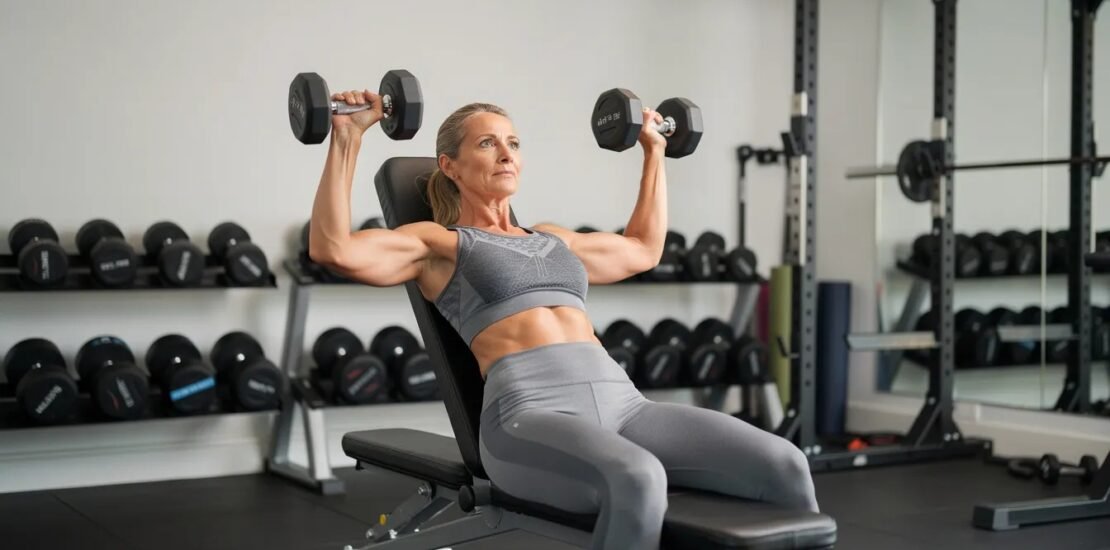
Menopausal weight gain is one of the most frustrating experiences women in their 40s, 50s, and early 60s face, especially when stubborn fat seems to settle around the abdomen no matter what you try. Hormonal shifts during perimenopause and menopause slow metabolism, reduce muscle mass, and redirect fat storage to the midsection. The old playbook of eating less and running more often stops working entirely and can even backfire.
Personal training offers support for managing menopausal weight gain by addressing root causes rather than just calories burned. Experienced fitness professionals in Boca Raton commonly work with women navigating this transition, focusing on strength training, bone health, and sustainable weight loss. This article covers why menopausal weight gain happens, how personal trainers can help, which workouts deliver the best results, and how to choose the right trainer for your life.
At The Facility for Personal Training, training is built around individualized programming that prioritizes long-term results, safety, and improved functional capacity. The focus is not only on weight management but also on helping clients stay strong, mobile, and capable in everyday life. If you are ready to take a more structured and supportive approach to managing menopausal weight gain, you can schedule a consultation by calling 561-997-8348 or submitting the contact form to get started with a personalized plan designed for your needs.
👉Also Read: What’s the Best Weight Lifting Gym in Boca Raton?
Why Menopausal Weight Gain Happens
Weight gain during menopause is driven by biology, not a lack of willpower. Around the average U.S. menopause age of 51, ovarian production of estradiol drops sharply. Estrogen helps regulate appetite, insulin sensitivity, and fat distribution. When it declines, the body shifts fat storage toward abdominal and visceral depots, raising cardiometabolic risk.
Age-related muscle loss compounds the problem. After age 30, adults lose roughly 3% to 5% of muscle mass per decade, with losses becoming more pronounced from age 60 onward. This decline directly lowers resting metabolic rate, meaning the body burns fewer calories even at rest, making weight management progressively harder.
Longitudinal data from the SWAN cohort study show that the rate of fat mass accumulation increases by nearly 80% during the menopausal transition compared to pre-transition rates. Meanwhile, changes in sleep, including night sweats and insomnia affecting 40 to 60% of perimenopausal and postmenopausal women, increase cravings and sap the energy needed for exercise. Inactivity and deconditioning from sedentary work or fatigue lower overall calorie expenditure and weaken muscles and bones further.
Why Traditional Weight Loss Methods Often Stop Working After 40
The strategies that worked in your 20s and 30s-crash diets, long cardio sessions, generic gym classes-often fail in midlife. Here is why:
- Extreme dieting (below ~1,200 kcal/day) produces rapid initial weight loss, but much of it is lean muscle, not fat. This further lowers metabolism and sets up the yo-yo cycle.
- Cardio-only approaches burn calories during the session but offer minimal stimulus for muscle building. Without strength training, you lose both fat and muscle, making long-term weight loss harder.
- Generic fitness plans rarely account for joint pain, lower back issues, pelvic floor concerns, or hormonal changes that become more prevalent during menopause.
- Inconsistent intensity is common without guidance, pushing too hard on good days, then crashing, or training too lightly to stimulate change.
Individualized exercise programming that adapts to your current fitness level, medical history, and menopausal symptoms is far more effective than any one-size-fits-all plan.
👉Also Read: Should I Choose an Adaptive Trainer vs. a General Personal Trainer in Boca Raton?
How Personal Training Can Help With Menopausal Weight Gain
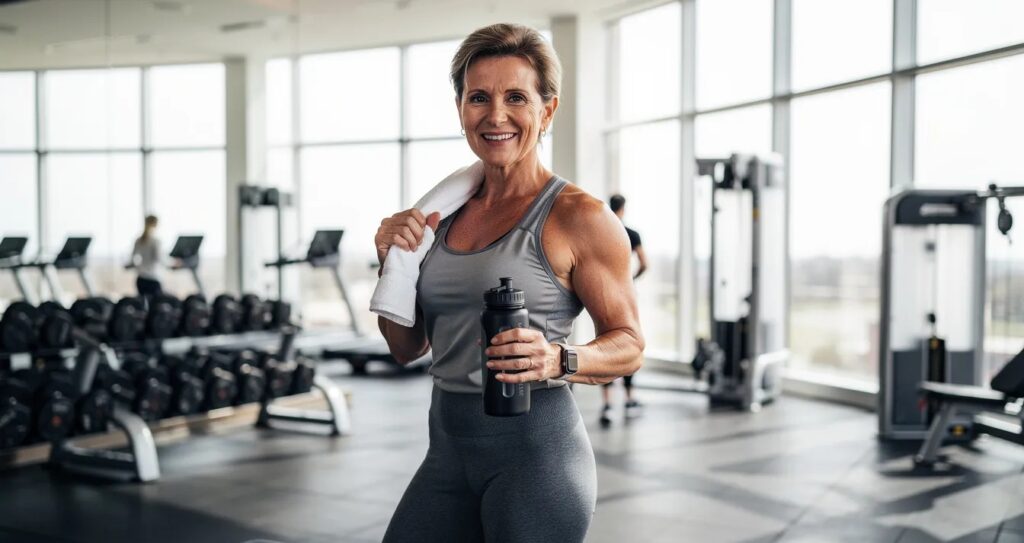
Yes, personal training can meaningfully help manage menopausal weight gain when it emphasizes strength training, progressive overload, and whole-person health. Personal trainers create custom fitness programs for unique needs, beginning with an assessment of baseline fitness level, movement patterns, balance, and joint limitations.
Structured, science-based weight training helps preserve and build lean muscle. Personal training builds metabolism-boosting lean muscle during menopause, meaning your body burns more calories at rest even outside the gym. More muscle mass increases metabolism and calorie burn at rest-this is the metabolic advantage that crash diets destroy.
Beyond the scale, improvements in posture, mobility, balance, and the ability to perform everyday tasks without pain or fatigue transform quality of life. Personal trainers provide continuous support and motivation, helping clients stay motivated, track progress with non-scale metrics like body composition and waist circumference, and adjust programming as needed. Regular exercise reduces metabolic risks and improves mood during menopause, creating a positive feedback loop of energy and consistency.
For women in Boca Raton and Boynton Beach, working with local trainers familiar with midlife adults provides a safer, more supportive, distraction-free environment than a crowded big-box gym.
Why Strength Training Is Especially Important During Menopause
Strength training is non-negotiable for midlife weight management, bone health, and long-term independence. Here is what the evidence shows:
- Metabolic advantage: More muscle helps the body burn more calories at rest and improves insulin sensitivity. Strength training helps maintain muscle and metabolism during menopause.
- Bone density: Weight-bearing exercises combat loss of bone mineral density. A meta-analysis of 75 studies found that exercise produces statistically significant improvements in lumbar spine, femoral neck, and total hip bone mineral density in postmenopausal women. Professional guidance ensures safe weight-bearing exercises for bone health, reducing osteoporosis and fracture risk.
- Balance and fall prevention: Strength training improves balance and agility in older adults-critical for women over 50.
- Functional independence: Movements like squats, hinges, pushes, and pulls carry directly into daily life, lifting groceries, climbing stairs, and playing with grandchildren.
A systematic review of 12 randomized controlled trials of menopausal women found that strength-only exercise interventions two to four times per week improved bone density, metabolic markers, and hormonal levels. Structured resistance training helps offset the hormonal drops during menopause. Strength training is essential to combat muscle loss after menopause and helps maintain muscle mass regardless of prior experience.
Weight training can prevent muscle loss while losing fat-a critical distinction from cardio-only approaches. Strength training helps maintain muscle while losing fat during weight loss, preserving the metabolic engine that keeps results sustainable.
Equipment options include free weights, machines, and resistance bands, all of which can be scaled to any fitness level. Safe approaches for beginners or those returning to exercise include lighter loads, slower tempos, machine-based support, and frequent form checks with a trainer. Even activities like tai chi, yoga, and pilates can complement a strength program by improving flexibility and body awareness.
How Do Recovery, Stress, and Sleep Affect Menopausal Weight Management?
During menopause, recovery is as important as exercise itself. Chronic stress can contribute to changes in appetite, reduced sleep quality, fatigue, and weight gain, particularly around the abdomen. A 2024 study of perimenopausal and postmenopausal women found that poorer sleep architecture was associated with higher cortisol levels, even after adjusting for factors such as age, body mass index (BMI), vasomotor symptoms, and depressive symptoms.
Excessive training without adequate recovery may increase physiological stress and make it more difficult to maintain consistent exercise habits and recovery. For many women, a balanced fitness program is more effective than performing high-intensity workouts every day.
Personal trainers can help structure a weekly plan that incorporates strength training, low-impact cardiovascular exercise, mobility work, and dedicated recovery days. They may also encourage stress-management strategies such as walking, breathing exercises, mindfulness practices, and gentle stretching to support overall wellness and recovery.
👉Also Read: Living With Diabetes in Boca Raton, FL? Here Is Why Strength Training Should Be Part of Your Plan
What Medical and Physical Challenges Do Many Menopausal Women Face?
Many women over 40 arrive at a gym with more than just health and fitness goals. They often face physical challenges that can affect exercise selection, intensity, and recovery, including:
- Joint pain, osteoarthritis, and reduced mobility in the knees, hips, or shoulders
- Previous injuries and chronic lower back discomfort
- Age-related declines in muscle mass and strength, particularly after prolonged inactivity
- Cardiovascular risk factors such as high blood pressure, elevated cholesterol, or metabolic concerns
- Pelvic floor and core issues that may require exercise modifications
These health considerations often require a personalized approach to exercise programming. Qualified personal trainers in Boca Raton can adapt workouts to accommodate individual limitations, medical histories, and fitness levels. When appropriate and with the client’s consent, trainers may work alongside physicians, physical therapists, or other healthcare professionals to help ensure that exercise programs support both safety and long-term progress.
What Boca Raton Trainers Often Recommend for Menopausal Weight Management
At The Facility for Personal Training, we take a structured and sustainable approach to menopausal weight management. Our focus is on building strength, improving energy, supporting joint health, and creating long-term consistency rather than relying on short-term fixes.
A typical program we recommend includes:
| Component | Frequency | Purpose |
|---|---|---|
| Strength training | 2-3 sessions per week | Build lean muscle, support metabolic health, and maintain bone density |
| Low-impact cardio (walking, cycling, swimming) | 3-4 days per week | Support heart health and increase overall energy expenditure |
| Mobility and flexibility work | Daily or after training sessions | Improve movement quality and reduce risk of injury |
| Light interval training | 1-2 times per week, when appropriate | Improve cardiovascular fitness while minimizing joint stress |
| Rest and recovery | 1-2 full rest days per week | Support recovery, adaptation, and overall training consistency |
In our experience, training two to four times per week is often the most effective and sustainable range for many menopausal women. This allows enough stimulus for progress while still providing adequate recovery time, which is essential for long-term adherence and joint health.
We design programs to be progressive, measurable, and focused on long-term lifestyle change rather than rapid weight loss that is difficult to maintain.
Alongside training, we may provide general nutrition guidance and lifestyle education. When more detailed nutrition planning is needed, we encourage collaboration with registered dietitians or qualified healthcare professionals. Common evidence-based recommendations include adequate protein intake (approximately 1.2–1.6 g/kg of body weight per day), sufficient calcium and vitamin D for bone health, and avoiding overly restrictive diets that can negatively impact energy levels, muscle retention, and consistency.
Our goal is simple: sustainable fat loss, improved strength, and better overall quality of life through a balanced and realistic approach to training and recovery.
How Personalized Training Creates Better Long-Term Results
Personalized training adapts to a woman’s body, schedule, energy levels, and lifestyle changes over time. Initial assessments typically review strength, balance, mobility, medical history, and current activity level.
Workouts are adjusted regularly based on:
- Energy levels
- Recovery and soreness
- Sleep quality
- Stress levels
The goal is to reduce burnout and avoid plateaus while keeping progress consistent. Many women prefer private or semi-private training because it feels:
- More comfortable
- Less intimidating
- More supportive, especially when returning to exercise in midlife
Benefits of a personalized approach often include:
- Better consistency and adherence
- Improved confidence
- Gradual and sustainable improvements in strength and body composition
Choosing the Right Personal Trainer During Menopause
Trainer selection is especially important for women over 40 navigating hormonal changes, recovery needs, and age-related joint or mobility considerations. The right trainer should offer both knowledge and a practical, supportive approach.
What to look for:
- Education and certification: Credentials from recognized organizations such as NASM, ACE, NSCA, or ACSM, and/or education in fields like exercise science, kinesiology, or related disciplines
- Relevant experience: Practical experience working with midlife and older adults, including individuals with joint limitations, reduced fitness levels, or chronic health considerations
- Training approach: Emphasis on strength training, functional movement, mobility, and long-term health rather than short-term weight loss goals
- Training environment: Access to a clean, supportive, and appropriately private setting that allows for focused, individualized attention
Questions to ask in a consultation:
- How do you structure strength training to support bone health in postmenopausal women?
- How do you adjust sessions based on energy levels, recovery, or sleep quality?
- What does a progressive program look like for someone at my age and current fitness level?
- When appropriate, do you communicate or coordinate with physicians or physical therapists?
👉Also Read: Does Exercise Make Older Adults Live Longer? Insights from Boca Raton, FL Senior Fitness Trainers
Schedule Your Consultation With a Boca Raton Personal Trainer
If you are in Boca Raton or nearby areas such as Boynton Beach, scheduling a personal training consultation focused on menopausal fitness is a practical first step toward improving strength, energy, and long-term health.
At The Facility for Personal Training, your initial session is designed to understand your goals, whether that includes weight management, improving bone health, building strength, or simply increasing daily energy. We also review relevant medical history and current activity levels to ensure your program starts at an appropriate and safe level.
You can expect a simple movement and fitness assessment to help establish a clear starting point. From there, a personalized training plan is created to match your abilities, lifestyle, and long-term objectives.
Working with a structured program helps remove guesswork, improves consistency, and supports measurable progress over time. This is also your opportunity to ask questions about strength training during menopause, recovery strategies, and sustainable approaches to fat loss and overall health.
Contact The Facility for Personal Training today at 561-997-8348 by phone or online to schedule your consultation and begin a personalized program designed around your body, your goals, and your schedule.
Frequently Asked Questions
How quickly can I expect to see results from personal training during menopause?
Many clients notice improvements in energy, sleep quality, and mood within 2–4 weeks of consistent training. Strength gains and changes in how clothes fit typically become more noticeable within 6–12 weeks when training 2–3 times per week. Fat loss and muscle-building results are gradual, so it is more useful to track progress through improved strength, stamina, posture, and reduced joint discomfort rather than scale weight alone.
Can I start strength training if I have never lifted weights before?
Yes. Many women begin strength training during menopause with no prior experience. A qualified personal trainer will start with light resistance or bodyweight exercises to build proper form, confidence, and control. Programs are adjusted to your fitness level, medical history, and comfort with movement. Open communication about pain, limitations, or concerns helps ensure safe and steady progress.
Is personal training safe if I have osteoporosis or low bone density?
In many cases, appropriately designed resistance training is beneficial for bone health, but medical clearance is important before starting. Training should focus on controlled, weight-bearing resistance exercises while avoiding high-risk movements such as loaded spinal flexion or high-impact jumping. Sharing DEXA scan results or medical guidance helps ensure the program is safe and appropriate. Strength training also supports balance and coordination, which can reduce fall risk.
Do I need to change my diet if I start personal training for menopausal weight loss?
Exercise alone is often not enough for significant or sustained fat loss, so nutrition and training should work together. A balanced approach typically includes adequate protein intake, fiber-rich foods, vegetables, and healthy fats. Extreme calorie restriction is not recommended, as it can contribute to fatigue and muscle loss during menopause. Some trainers provide general nutrition guidance or collaborate with registered dietitians for more individualized support.
Can personal training help with non-weight issues like hot flashes or mood changes?
Exercise is not a treatment for menopausal symptoms, but regular strength and cardiovascular training may support better mood, sleep quality, and stress regulation. These improvements can indirectly help some women manage symptoms more effectively. It is important to discuss significant or persistent symptoms with a healthcare provider. Trainers can also adjust workouts on low-energy or high-symptom days to maintain consistency without overexertion.