

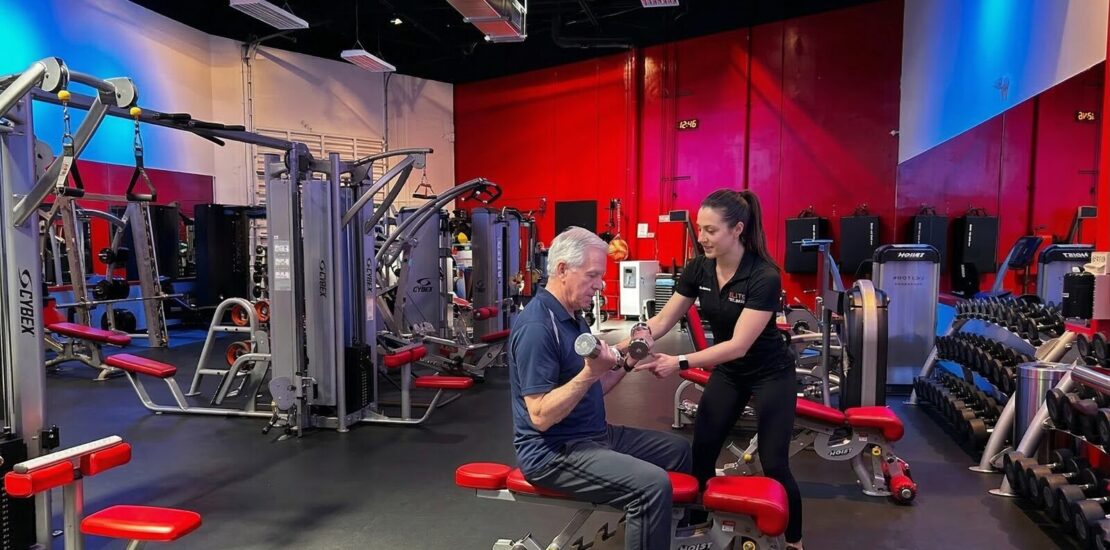
Senior fitness in Boca Raton is evolving rapidly, but for adults managing health conditions, choosing the right personal trainer requires careful consideration. Conditions such as arthritis, osteoporosis, heart disease, or diabetes demand more than a standard high-intensity program. Generic workouts often assume participants are free of limitations, which can place undue stress on joints, strain the cardiovascular system, and increase the risk of falls.
By asking the right questions before committing to a program, seniors and their families can ensure their fitness plan protects their health, enhances independence, and supports a higher quality of life. This article provides a practical checklist of essential questions every prospective client should ask when evaluating a personal trainer.
Recognized as one of the best gyms in Boca Raton, FL, The Facility for Personal Training offers medically informed, science-based fitness programs designed for adults 40 and older. Our trainers hold degrees in Exercise Science, Physiology, or Kinesiology, and we use the trademarked DVNS (Dynamic Variable Neuromuscular Stimulation) system to ensure every exercise is safe, functional, and effective. Contact us today at 561-997-8348 to schedule a consultation and discover how our medically informed approach can help you stay strong, mobile, and independent.
👉Also Read: Want Better Weight Training Results? Avoid These Mistakes (Boca Raton Trainer Approved)
Why Seniors in Boca Raton Need Specialized Personal Training
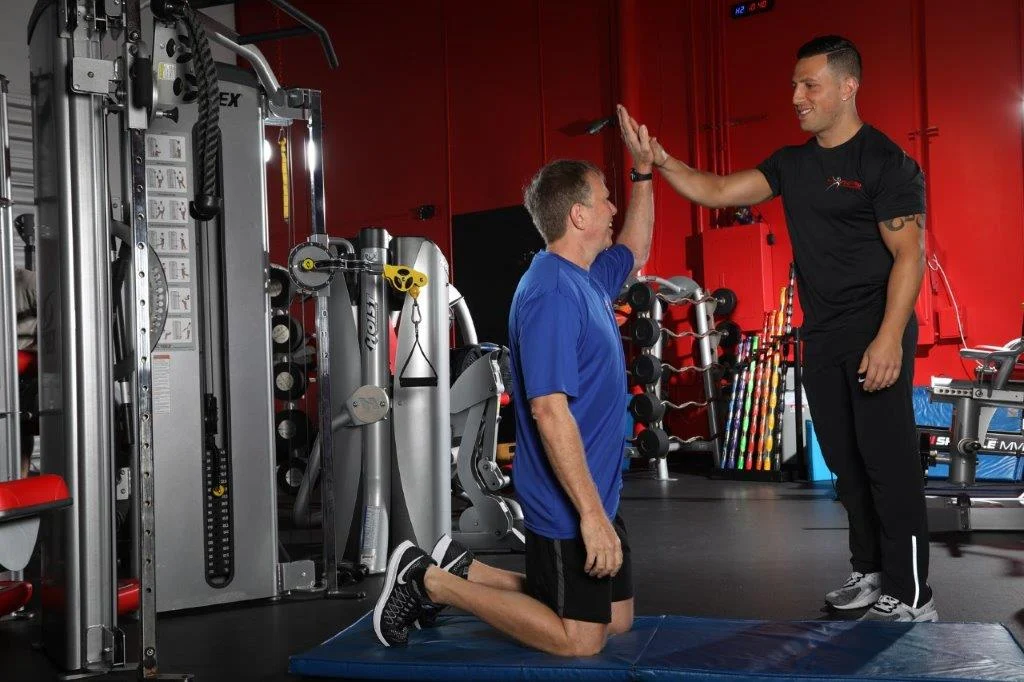 Boca Raton is home to a large population of active retirees, many of whom want to maintain strength, mobility, and independence well into their 70s, 80s, and beyond. However, national statistics show that over 40% of adults aged 65–74 have arthritis, and that number climbs above 50% for those 75 and older.
Specialized training differs fundamentally from general fitness programs because it must account for medications, prior surgeries, chronic conditions, and the unique needs of aging bodies. The good news: safe, effective training is absolutely possible with the right expertise.
Common Health Concerns Among Seniors
Most seniors have at least one chronic condition that affects exercise choices. Understanding how these conditions influence training is crucial for both safety and results.
| Condition | Training Consideration |
|---|---|
| Arthritis | Low-impact loading, controlled range of motion, avoiding deep squats |
| Osteoporosis | No extreme spinal flexion/rotation, safe progressive loading for bone density |
| Heart disease | Heart-rate monitoring, physician clearance, gradual intensity progression |
| Diabetes | Blood sugar monitoring, meal timing awareness, hypoglycemia protocols |
| Neuropathy | Enhanced balance support, fall prevention focus, proprioception training |
| Post-surgical recovery | Surgeon/PT restrictions, movement precautions, timeline awareness |
Real-world functional limitations, difficulty climbing stairs, getting out of a chair, or carrying groceries, should guide exercise selection. Trainers must understand these issues before designing programs, never pushing clients to “work through” pain or dizziness.
Research shows that arthritis rarely occurs in isolation, particularly among older adults. Among adults aged 65 and older, arthritis is strikingly common in those with other serious conditions: approximately 51.5% of those with heart disease and 43.1% of those with diabetes also have diagnosed arthritis. In fact, arthritis is part of the most common chronic condition combinations seen in U.S. adults, frequently appearing alongside hypertension and diabetes.
👉Also Read: Back Pain, Joint Issues, and Low Energy? Here’s How a Boca Raton Personal Trainer Can Help
Essential Questions Seniors Should Ask Before Hiring a Personal Trainer
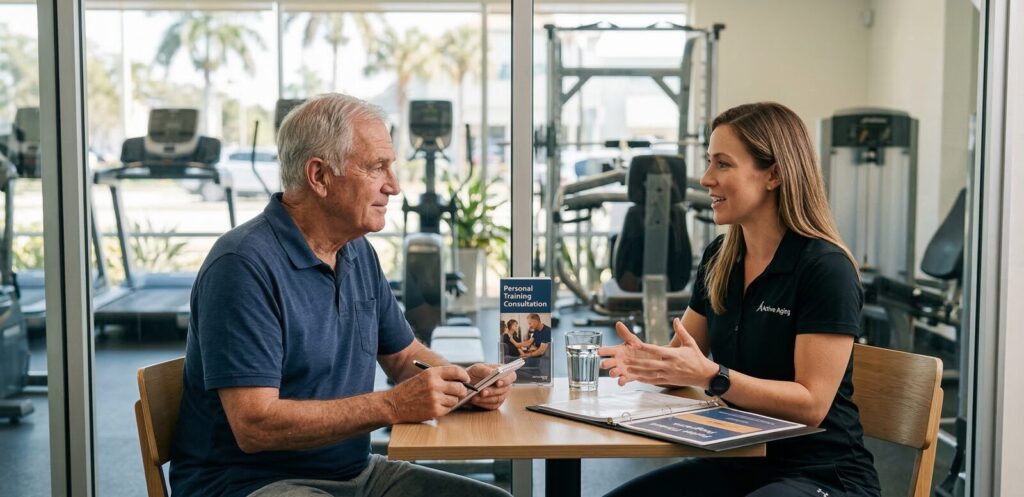 Use these questions as a checklist during your phone call or first consultation before hiring a Boca Raton, FL personal trainer. Good answers should be specific, not vague. If you don’t feel heard or your concerns are dismissed, trust your instincts and look elsewhere.
1. What Experience Do You Have Training Seniors with My Specific Condition?
Ask directly about your exact situation: “Have you worked with clients in their 70s who have had a hip replacement and heart stents?”
Condition-specific experience matters because it affects exercise choice, intensity, and progression. A trainer who has successfully helped senior clients with your condition understands modifications, realistic timelines, and potential complications.
Strong answers include:
- References to past clients with similar conditions
- Clear understanding of your specific limitations
- Examples of exercise modifications they’ve used
- Relevant certifications
Red flags:
- “I train everyone the same way”
- “We’ll just work around it” without specifics
- No mention of experience with your condition
Trainers at The Facility for Personal Training often specialize in older adults with arthritis, spinal stenosis, knee replacements, and metabolic conditions, bringing expertise in Exercise Science, Physiology, and Kinesiology to every session.
2. How Do You Modify Exercises for Arthritis, Osteoporosis, or Joint Pain?
Ask for specific examples of joint-friendly alternatives. How would they modify squats for bad knees? What overhead pressing alternatives work for shoulder arthritis?
Good trainers will describe:
- Low-impact strength work using machines, supported bodyweight, and resistance bands
- Careful range-of-motion limits
- Tempo control to reduce joint stress
- Warm-up and mobility preparation for affected joints
For osteoporosis, safe training avoids extreme spinal flexion and rotation while focusing on controlled, progressive loading that stimulates bone density without fracture risk.
Pain during exercise should trigger immediate modification, never be ignored or labeled as “normal for your age.” The Facility for Personal Training uses systems like DVNS (Dynamic Variable Muscular Stimulation) to adjust resistance and angles precisely for painful shoulders, knees, and backs.
3. Do You Coordinate with My Doctor or Physical Therapist?
Seniors should ask whether trainers are willing to communicate with cardiologists, orthopedists, or physical therapists before and during training.
Medical clearance is critical after cardiac events, joint replacements, or falls. The benefits of a collaborative care model include:
- Consistent instructions across providers
- Safer progression based on medical guidelines
- Fewer setbacks from miscommunication
A quality facility has release forms and a standard process for provider communication. The Facility for Personal Training routinely receives referrals from local doctors in Boca Raton and integrates their recommendations directly into training plans.
4. How Do You Assess My Current Fitness and Functional Limitations?
Ask exactly what happens in your first session. A thorough intake should include:
- Detailed health history review
- Medication list and timing
- Surgical history with dates
- Imaging results (if relevant)
- Daily functional struggles (stairs, getting up, carrying items)
Movement screens for seniors might include sit-to-stand from a chair, single-leg stance, shoulder mobility checks, and gait observation. These establish measurable benchmarks for tracking progress.
Be wary of trainers who “jump straight into a workout” without baseline testing or detailed questionnaires. At The Facility for Personal Training in Boca Raton, every program begins with a structured assessment that measures functional movement, balance, and strength.
5. How Do You Monitor Heart Rate, Blood Pressure, and Warning Signs?
For seniors with atrial fibrillation, past heart attacks, stents, hypertension, or pacemakers, cardiovascular safety protocols are paramount.
Trainers must recognize warning signs, including:
- Chest tightness or discomfort
- Unusual shortness of breath
- Dizziness or lightheadedness
- Sudden weakness
- Abnormal fatigue
6. What Is Your Approach to Balance and Fall Prevention?
Falls are a leading cause of injury and loss of independence for adults over 65. Ask how often balance and stability work is included; it should be a core component, not an afterthought.
Appropriate balance drills include:
- Supported single-leg stands
- Tandem walking (heel-to-toe)
- Step-ups with rails
- Core stability work
- Standing on one leg with gradual support reduction
Good programs progress from more supported to less supported positions as confidence improves, never sacrificing safety for challenge. Environmental safety also matters: non-slip floors, clutter-free areas, and sturdy supports.
The Facility for Personal Training is recognized as one of the best gyms for older adults, with a strong focus on fall prevention through functional movements that mimic everyday activities such as walking, turning, and reaching.
7. How Will You Progress My Program Safely Over Time?
Ask how the trainer plans to increase intensity over months while respecting recovery needs.
Gradual progression looks like:
- Small weight increases only when the form is solid
- Slightly more repetitions before adding load
- Added balance challenges once movements are comfortable
- Built-in recovery weeks, especially for clients over 70
Older adults typically need more recovery time than younger clients, especially when taking multiple medications. Warning signs of problematic training include constant high-intensity work and frequent soreness being celebrated as “success.”
At The Facility for Personal Training, progression is guided by objective testing, how clients feel, and input from medical providers when relevant.
8. What Happens If I Experience Pain During Training?
Ask how trainers distinguish between normal effort discomfort and injurious pain (sharp, stabbing, or joint-specific).
A good response involves immediate modification, exercise substitution, or session downgrading rather than pushing through. Active listening to client feedback is essential; seniors should never feel embarrassed to speak up about discomfort.
Common pain scenarios and adjustments:
| Scenario | Adjustment |
|---|---|
| Knee pain during lunges | Modify to shallow lunges, split squats, or machine leg press |
| Shoulder pain reaching overhead | Limit range, use external rotation, reduce load |
| Back pain during bending | Shift to supported positions, reduce spinal flexion |
The Facility’s trainers adapt sessions on the spot so seniors leave feeling better, not worse.
9. Do You Offer Private Training for Seniors?
Seniors with health issues typically benefit from one-on-one training, especially initially, to learn safe form and discover their limits in a controlled environment.
Private training benefits:
- Full attention to your specific conditions
- Immediate feedback and correction
- Program adjustments in real-time
- No pressure to keep pace with others
The Facility in Boca Raton operates as a private studio where each appointment is dedicated to one client at a time.
👉Also Read: What Are the Health Benefits of Circuit Training Programs for Seniors in Boca Raton?
What Red Flags Should Seniors Watch For?
Knowing what to avoid is just as important as knowing what to seek. Watch for these warning signs:
- No intake or assessment: Jumping into workouts without understanding your health history
- Dismissing medical concerns: Statements like “just push through” or minimizing the doctor’s recommendations
- One-size-fits-all programs: “Senior boot camps” that ignore individual conditions
- Quick-fix promises: Unrealistic claims about rapid weight loss or strength gains
- High-pressure sales: Forcing package purchases before any trial or assessment
- Lack of credentials: No certifications specifically related to senior fitness, clinical exercise, or special populations
Trust your instincts if you feel rushed, unheard, or unsafe during a consultation or trial session.
What a Safe, Effective Senior Training Program Should Include
A well-designed program is balanced, medically aware, and adjusted to the individual. Core elements should include strength training, balance work, cardiovascular conditioning, flexibility and mobility, posture correction, and planned recovery.
Volume and intensity must match your age, health history, and how you respond from session to session. Programs at The Facility for Personal Training are designed specifically to support independence, ease of daily activities, and confidence, not just aesthetics.
Strength, Bone Health, and Joint Protection
Resistance training 2–3 days per week is typically recommended for seniors, with exercises tailored to bone density and joint status.
Safe exercise alternatives:
| Instead of… | Try… |
|---|---|
| Deep barbell squats | Leg press or supported squats |
| Floor push-ups | Seated or incline chest press |
| Heavy barbell rows | Band rows or machine rows |
Strength training combats sarcopenia (age-related muscle loss), supports metabolic health, and reduces injury risk from falls. For osteoporosis, controlled loading under supervision benefits bone density, but high-impact, twisting, or flexion-heavy moves should be limited.
Balance, Mobility, and Fall Prevention
Balance drills and mobility work should be consistent components of every session, not optional extras.
Safe progressions move from holding onto stable support toward more challenging dynamic balance tasks. Hip, ankle, and thoracic spine mobility work helps with walking, turning, and getting in and out of cars.
Fall prevention connects directly to maintaining independence in Boca Raton activities: walking the beach, shopping at Town Center Mall, and enjoying social outings with friends and family.
The Facility incorporates functional movement patterns, sit-to-stand, step-ups, and reaching exercises to simulate real life and reduce falls.
Cardiovascular Conditioning Appropriate for Medical History
Cardio selection should be based on joint tolerance and heart health. Options include treadmill walking, recumbent bikes, NuStep machines, or pool-based activities for those with significant joint limitations.
Intensity guidelines may be based on heart-rate ranges, RPE, or doctor-prescribed limits for cardiac patients. For deconditioned seniors or those post-surgery, starting conservatively and slowly extending endurance is essential.
Even short, frequent walks combined with supervised cardio sessions can significantly improve overall stamina and cardiovascular health.
The Facility tailors cardio plans around conditions like hypertension, AFib, and COPD with constant monitoring and adjustments.
Recovery, Rest, and Symptom Monitoring
Older adults need more recovery between intense efforts than younger clients, especially those managing multiple medications.
Recovery strategies include:
- Adequate sleep (7–8 hours when possible)
- Hydration, particularly critical in Boca’s heat
- Light movement on non-training days (walking, gentle stretching)
- Logging symptoms like unusual fatigue, swelling, or joint flare-ups
High-quality trainers adjust volume and intensity week to week based on how you’re actually feeling and recovering. This “assessment-first, reassess-often” philosophy keeps programs safe and effective over time.
👉Also Read: What Makes Senior Personal Training in Boca Raton Different from Regular Workouts?
Why Seniors Benefit from a Medically Minded Training Environment
“Medically minded” training means close attention to health history, coordination with doctors, and evidence-based methods rather than fitness fads.
Private, appointment-only studios better control noise, temperature, cleanliness, and safety compared with big box gyms. For seniors with complex medical histories, recent surgeries, or serious diagnoses, this level of oversight is often necessary.
Such environments focus on function and independence, not competition, aesthetics, or “gym culture.”
How The Facility for Personal Training Designs Personalized Fitness Programs for Seniors with Health Issues
The Facility for Personal Training in Boca Raton works primarily with clients over 40, including many in their 60s, 70s, and 80s, managing medical conditions.
Every new senior client begins with:
- Detailed health history review
- Physician clearance when needed
- Comprehensive functional movement assessment
- Clear communication about goals and limitations
Our Boca Raton, FL personal trainers hold advanced degrees in Exercise Science, Physiology, or Kinesiology and have extensive experience with arthritis, osteoporosis, joint replacements, and metabolic disease. The team includes former athletes and trainers of professional athletes who understand both high-level performance and careful adaptation for special populations.
The DVNS training system allows precise adjustment of difficulty based on pain levels, mobility, and daily energy. The goal: maintaining independence, building confidence, and supporting a high quality of life so seniors can enjoy Boca Raton’s active lifestyle safely.
👉Also Read: Does Exercise Make Older Adults Live Longer? Insights from Boca Raton, FL Senior Fitness Trainers
Achieve Strength, Mobility, and Independence with Personalized Fitness Training
Asking the right questions about medical experience, assessments, safety protocols, and program design is essential for seniors in Boca Raton seeking personal training. No senior should feel rushed, dismissed, or pressured into a one-size-fits-all fitness program, especially with existing health issues.
The best certified personal trainers and facilities welcome detailed questions and happily explain how they keep clients safe. They invest time in understanding your unique needs before creating any exercise plan.
At The Facility for Personal Training in Boca Raton, our medically informed, science-based approach ensures that every exercise you do is safe, functional, and designed to meet the unique needs of your body. Whether you are managing arthritis, diabetes, heart disease, or simply want to maintain strength and mobility, our trainers provide personalized guidance rooted in the DVNS (Dynamic Variable Neuromuscular Stimulation) system.
Don’t leave your fitness to chance. Schedule a consultation today and discover how a program tailored to your health conditions and goals can help you stay active, confident, and independent. Call us at 561-997-8348 or submit the contact form to begin your journey toward stronger, healthier, and more functional living.
Frequently Asked Questions
Can I Start Personal Training If I Haven’t Exercised in Years?
Yes, seniors can start after years of inactivity as long as they begin with a thorough assessment and, when appropriate, physician clearance. Initial sessions may focus on very basic movements, breathing techniques, and gentle mobility to rebuild confidence and exercise tolerance. The Facility for Personal Training regularly works with beginners and customizes intensity so clients never feel overwhelmed.
Is Personal Training Safe After Joint Replacement or Back Surgery?
Post-surgical training can be very beneficial once your surgeon or physical therapist gives clearance, typically after formal rehabilitation is completed. The trainer must understand surgical protocols, movement restrictions, and recovery timelines, such as hip precautions after posterior hip replacement or spinal fusion limitations. The Facility frequently coordinates with surgeons and therapists in Boca Raton to build safe, progressive strength after procedures.
How Often Should Seniors with Health Issues Train Each Week?
Many seniors benefit from 2–3 training sessions per week, with additional light walking or gentle activity on non-training days. Frequency depends on your health status, recovery ability, and goals; some may start with 1–2 sessions until stamina improves. Trainers at The Facility adjust weekly schedules based on how clients feel, any shared lab results, and physician recommendations.