

Longevity is a concern for many older adults, and the question often arises: can exercise truly add years to life? A growing body of research suggests that regular physical activity does more than support general wellness; it plays a measurable role in extending lifespan. For seniors, movement is not simply about maintaining strength or flexibility. It forms a foundation for healthier aging, improved resilience, and a higher quality of life.
In this article, we examine how exercise contributes to a longer life, why specific forms of training are particularly beneficial for seniors, and what older adults can expect when they commit to regular physical activity. Guided by principles used in personalized senior fitness programs, including those seen in advanced training environments such as The Facility for Personal Training in Boca Raton, we outline practical insights that help older adults stay active, independent, and engaged as they age.
Contact our Boca Raton senior fitness trainer today at 561-997-8348 to learn how a tailored fitness program can help you stay active, healthy, and thriving as you age.
The Impact of Exercise on Lifespan
Regular physical activity dramatically reduces mortality risk. Research demonstrates that active individuals enjoy a 20 to 35 percent lower risk of death compared to sedentary counterparts. Beyond simply living longer, consistent exercise adds approximately 0.4 to 6.9 additional years of life, years characterized by greater independence and freedom from major disability. Together, these benefits deliver what matters most: both a longer life and a better quality of life.
For older adults in Boca Raton and throughout South Florida, the path to longevity often begins with enjoyable leisure activities: walking along the beach, swimming, cycling through scenic neighborhoods, or tending to a garden. Evidence overwhelmingly confirms that beginning or maintaining an exercise routine later in life yields substantial rewards. In the landmark Generation 100 study involving adults aged 70 to 77, participants who followed a structured, supervised exercise program (HIIT/vigorous intensity activity) over five years experienced improved survival rates, with 95.4% surviving the five-year period compared to the general population rate of 90%.
The science delivers an encouraging message: even modest increases in daily physical activity translate to measurable gains in longevity. Older adults who meet the recommended 150 minutes of moderate-intensity activity per week see notable reductions in mortality risk, with studies showing a 20-21% lower risk of death from all causes. The takeaway is powerful and backed by decades of research: it’s never too late to start moving. Whether you’re 60, 70, or beyond, adopting a consistent, professionally guided exercise routine can significantly improve both your lifespan and your long-term health.
Health Benefits of Regular Exercise
Regular physical activity delivers profound, measurable improvements across virtually every system in the body—particularly for older adults. The benefits extend far beyond weight management, touching everything from heart health to cognitive function.
Cardiovascular Health
Exercise strengthens the heart, improves circulation, and reduces blood pressure. Active seniors experience lower rates of heart disease, stroke, and cardiovascular-related mortality. Even moderate-intensity activities like brisk walking significantly reduce the risk of coronary heart disease.
Metabolic & Weight Management
Physical activity helps regulate blood sugar levels, improves insulin sensitivity, and reduces the risk of type 2 diabetes. Combined with proper nutrition, regular exercise supports healthy weight maintenance and reduces dangerous visceral fat accumulation around vital organs.
Musculoskeletal Strength
Resistance training and weight-bearing exercises build muscle mass, increase bone density, and combat age-related sarcopenia (muscle loss). Stronger muscles and bones mean better balance, reduced fall risk, and greater independence in daily activities—critical factors for maintaining quality of life as we age.
Cognitive Function & Mental Health
Exercise promotes brain health by increasing blood flow, stimulating the growth of new brain cells, and reducing inflammation. Regular physical activity is associated with lower rates of cognitive decline, dementia, and Alzheimer’s disease. Additionally, exercise reduces symptoms of depression and anxiety while improving mood, sleep quality, and overall emotional well-being.
Joint Health & Mobility
Contrary to outdated myths, appropriate exercise actually protects joints and reduces arthritis pain. Movement lubricates joints, strengthens supporting muscles, and maintains flexibility—all essential for staying active and mobile throughout your later years.
Immune Function
Moderate, consistent exercise strengthens the immune response, helping the body fight infections and recover from illness more effectively. Active older adults typically experience fewer sick days and faster recovery times.
Longevity & Disease Prevention
Beyond adding years to life, exercise adds life to years. Regular physical activity reduces the risk of numerous chronic conditions, including certain cancers, osteoporosis, and metabolic syndrome. The cumulative effect is a longer, healthier, more vibrant life.
Types of Exercises Beneficial for Older Adults
 A well-rounded fitness program for older adults focuses on functional strength, balance, flexibility, mobility, and heart-healthy aerobic conditioning. Activities such as walking, strength training, yoga, Pilates, tai chi, and carefully guided aerobic routines support overall health, preserve independence, and improve quality of life. For seniors, the main priorities are enhancing balance, maintaining mobility, and building strength to remain active in everyday life, whether it’s walking, playing pickleball, or enjoying golf.
For older adults seeking personalized guidance, The Facility for Personal Training in Boca Raton offers a unique approach to senior fitness. Unlike traditional gyms, The Facility focuses exclusively on one-on-one personal training and wellness for individuals over 40, including those with medical conditions or physical limitations.
Using the trademarked Dynamic Variable Neuromuscular Stimulation (DVNS) System, developed by Dr. Barry Steinberg, M.D., D.D.S., Ph.D., F.A.C.S., The Facility delivers highly efficient, science-based training tailored to each client’s abilities, injuries, and fitness experience. All trainers hold four-year degrees in Exercise Science, Physiology, or Kinesiology, ensuring a level of expertise that blends advanced knowledge with practical application.
The Facility’s training programs cater to all levels of experience and include modifications for clients managing diabetes, joint issues, or other medical conditions.
Aerobic Activities
Aerobic exercise strengthens the heart, supports circulation, and enhances endurance—all critical for healthy aging.
Walking remains one of the most accessible and low-impact aerobic options for older adults. Gradually working toward 8,000–10,000 steps daily can improve cardiovascular health, promote mobility, and reduce age-related illness risk. Proper footwear and controlled pacing are essential to avoid strain.
Cycling, whether outdoors or on a stationary bike, is gentle on the joints and improves cardiovascular function while supporting balance and flexibility.
Swimming and Water Aerobics provide a full-body, low-impact workout. Controlled movements in warm water improve strength, flexibility, and endurance, while minimizing joint stress.
Elliptical Machines and Steady-State Cardio are excellent indoor alternatives, offering low-impact aerobic training that engages both upper and lower body muscles and builds sustained endurance.
Strength Training Exercises
Strength training is crucial for preserving muscle mass, supporting bone density, and maintaining functional independence. Seniors should aim to include muscle-strengthening activities at least two days per week. Recommended exercises include:
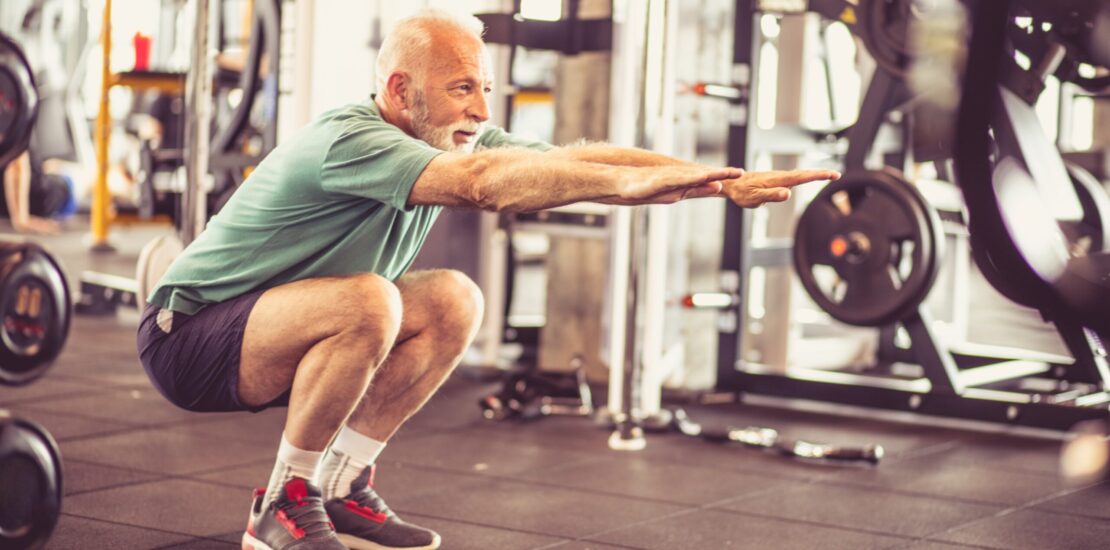
- Bodyweight exercises such as squats, wall push-ups, and calf raises which are effective for building strength using one’s own body weight without added equipment
- Resistance band or light-weight exercises for the upper and lower body
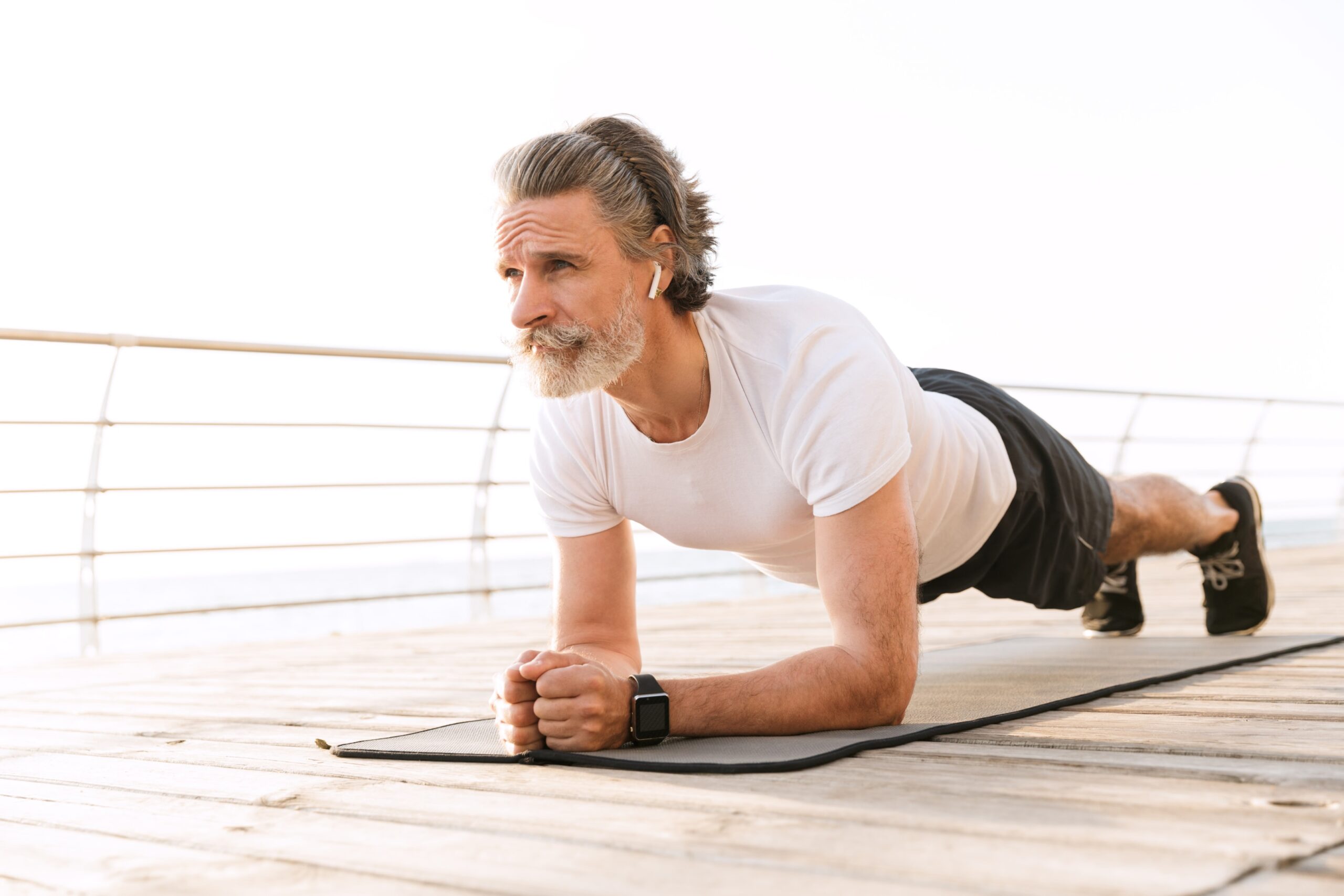
- Core-focused movements, including modified planks and gentle rotational exercises that help activate deep core muscles essential for balance and controlled movement
Core strength plays a central role in posture, stability, and fall prevention. At The Facility, exercises are carefully tailored using DVNS protocols to maximize efficiency while accommodating any medical or physical limitations. Even short routines, like the Sit and Stand for Strength, can deliver meaningful functional benefits in just 10 minutes.
👉Tip: Try the Sit-to-Stand Test as described by the BBC to gauge your functional fitness and ageing rate.
- Sit on a chair with a straight back (no armrests), cross your arms over your chest, and keep your feet flat on the floor.
- Use a timer and see how many full stands you can complete in 30 seconds.
- A lower-than-average score for your age may indicate reduced strength, balance, or flexibility — all of which are linked to long-term health risks.
Balance and Flexibility Exercises
Maintaining balance and flexibility reduces fall risk and enhances confidence in daily activities. The CDC recommends balance exercises at least three times per week. Effective routines include single-leg balance, heel-to-toe walking, and functional stability exercises.
Pilates builds core strength, supports posture, and enhances mobility through low-impact, controlled movements.
The Facility integrates these modalities into personalized training sessions, ensuring that seniors can safely improve balance and flexibility while focusing on functional fitness. By combining aerobic, strength, balance, and flexibility training with DVNS science, older adults can remain active, independent, and fully engaged in their daily lives.
👉Also Read: The Science of Slowing Aging: How Resistance and Balance Training Keep You Younger and Healthier
Creating a Personalized Exercise Program
Before starting any exercise program, older adults need to consult a healthcare provider. A thorough medical evaluation ensures that individuals are physically prepared, identifies potential health risks, and allows for a customized, safe exercise plan. Regular check-ups and screenings further enhance the safety and effectiveness of an exercise program, especially for seniors managing chronic conditions.
Healthcare consultations also offer mental and emotional support, helping older adults overcome anxiety about beginning a new fitness routine. Professionals can guide the development of a balanced exercise regimen that minimizes risk while promoting functional strength, mobility, and overall well-being.
At The Facility for Personal Training, we provide individualized assessments and create tailored “longevity-fitness” programs based on each client’s fitness level, health status, and goals. A comprehensive program should include:
- Warm-up and mobility exercises to prepare muscles and joints
- Aerobic components to support cardiovascular health
- Strength and resistance training to maintain muscle and bone mass
- Balance, flexibility, and functional drills to reduce fall risk and enhance daily activity performance
- Cool-down exercises to safely return the body to rest
Starting Slowly and Progressing Gradually
Beginning with low to moderate intensity is crucial for beginners or those returning after a period of inactivity. Breaking workouts into smaller segments—such as 10–15 minute sessions—helps integrate activity into daily life. Benefits are observed even in individuals aged 70 and older, making it never too late to start exercising.
Gradual progression in volume and intensity, including carefully supervised high-intensity intervals when appropriate, supports long-term success. Consistency is more important than intensity: moderate activity performed regularly outweighs sporadic vigorous exercise sessions.
Combining Different Modalities
A well-rounded program combines multiple exercise modalities to target all aspects of physical health and maintain engagement:
- Aerobic exercises: walking, cycling, swimming
- Strength/resistance training: machines, resistance bands, bodyweight exercises
- Stability and balance work: Pilates exercises and targeted functional drills
This combination prevents monotony, promotes adherence, and ensures a comprehensive approach to fitness.
Monitoring Recovery and Joint Health
Monitoring recovery and joint health is critical for older adults, particularly those with joint pain, arthritis, or cardiovascular conditions. Key strategies include:
- Recording full-body workouts, including resistance levels, duration, and repetitions, to track progress safely
- Stopping immediately if pain or discomfort occurs
- Consulting a fitness professional or physician for guidance if pain persists
For individuals with limitations, modifications such as aquatic exercise or seated resistance training provide safe and effective alternatives. These adjustments make exercise accessible, functional, and beneficial for everyone, regardless of physical condition.
Start Your Personalized Fitness Journey at The Facility for Personal Training
If you’re ready to experience the transformative benefits of exercise and build a foundation for functional, independent living, The Facility for Personal Training in Boca Raton is here to guide you. Our one-on-one programs combine science-backed training with the trademarked Dynamic Variable Neuromuscular Stimulation (DVNS) System, designed to optimize strength, balance, mobility, and cardiovascular health for adults over 40—regardless of medical conditions or prior fitness experience.
At The Facility, every program is personalized to your unique health profile, goals, and abilities. Whether you want to improve everyday functional strength, enhance balance, reduce fall risk, or simply enjoy an active lifestyle well into your later years, our expert trainers provide the guidance, accountability, and support you need to achieve meaningful results safely.
Don’t wait to invest in your longevity and quality of life. Contact The Facility for Personal Training today to schedule your personalized assessment and begin a fitness journey tailored specifically for you. Functional, active, and empowered living is within your reach—let us help you get there.
Frequently Asked Questions
How Often Should Seniors Exercise?
Seniors should aim for a balanced exercise routine that includes cardiovascular, strength, flexibility, and balance training. Generally, older adults are encouraged to engage in at least 150 minutes of moderate-intensity aerobic activity per week, which can be broken down into 30 minutes a day, five days a week. In addition, strength training exercises targeting major muscle groups should be performed two to three times per week, while flexibility and balance exercises—such as stretching, yoga, or tai chi—can be done daily or several times per week.
Consistency is key. Even shorter bouts of activity spread throughout the day can provide substantial health benefits, including improved heart health, stronger muscles and bones, better balance, and enhanced overall quality of life. Seniors should consult with their healthcare provider before starting a new exercise program, especially if they have chronic conditions or mobility limitations.
What Are Some Cool-Down Exercises for Seniors?
Seniors can benefit from gentle cool-down exercises that help lower heart rate, improve flexibility, and reduce muscle stiffness. Effective options include:
- Slow Walking or Marching – 3–5 minutes to gradually decrease heart rate.
- Seated Forward Bend – Stretches hamstrings and lower back.
- Shoulder Rolls & Arm Circles – Relieves tension in shoulders and arms.
- Neck Stretches – Tilt head side to side and forward/back slowly.
- Calf & Ankle Stretch – Press heel toward the floor to loosen calves and ankles.
- Quadriceps Stretch – Hold one ankle behind you to stretch the front thigh.
- Deep Breathing – Inhale deeply and exhale slowly to promote relaxation.
A 5–10 minute cool-down after exercise helps seniors recover safely and maintain mobility.
What Are the Benefits of Pilates Exercises?
Pilates helps strengthen core muscles, improve flexibility, and enhance balance and stability, which is especially beneficial for seniors. It also promotes better posture, lean muscle tone, and joint health while supporting relaxation and a strong mind-body connection. Regular practice can improve overall mobility, reduce the risk of falls, and enhance quality of life.