

Good posture is more than a sign of confidence—it is the foundation of an active, functional, and pain-free lifestyle. As we age, the natural changes in muscle balance, joint flexibility, and bone structure can gradually impact our posture, leading to stiffness, discomfort, and even mobility limitations. However, posture correction exercises can counter these effects, helping you move more efficiently, maintain stability, and preserve your body’s strength and balance for years to come.
At The Facility for Personal Training in Boca Raton, our trainers understand that longevity in fitness isn’t just about working harder—it’s about training smarter. Through our exclusive Dynamic Variable Neuromuscular Stimulation (DVNS) system, we integrate advanced, science-based techniques designed to enhance muscular coordination, restore proper alignment, and improve overall function. This method allows men and women over 40 to remain active, strong, and confident in their movement, whether their goals include playing pickleball, golfing, or simply enjoying greater ease in daily activities.
In this article, we’ll explore how posture correction exercises can add years to your active lifestyle, why functional movement is key to long-term wellness, and how a personalized, medically informed training approach can help you stay active and mobile—no matter your age or fitness level.
👉Also Read: The Science of Slowing Aging: How Resistance and Balance Training Keep You Younger and Healthier
The Importance of Proper Posture for Seniors
For seniors, maintaining proper posture can significantly reduce discomfort, improve balance, and enhance overall quality of life. An aligned spine allows the body to move efficiently, decreasing unnecessary strain on muscles and joints while promoting better mobility and stability.
Proper posture also supports healthy circulation, which can improve energy levels, mood, and even cognitive function by optimizing communication between the brain and the rest of the body. In addition, sitting and standing with correct alignment can alleviate common digestive discomforts by minimizing pressure on the abdominal organs during meals.
Perhaps most importantly, maintaining good posture helps prevent falls—a leading cause of injuries among older adults—by enhancing balance and proprioception. Over time, consistent posture correction can reduce the risk of developing musculoskeletal issues such as osteoporosis and osteoarthritis, supporting active, independent, and confident aging.
What Are the Most Common Postural Problems in Older Adults?
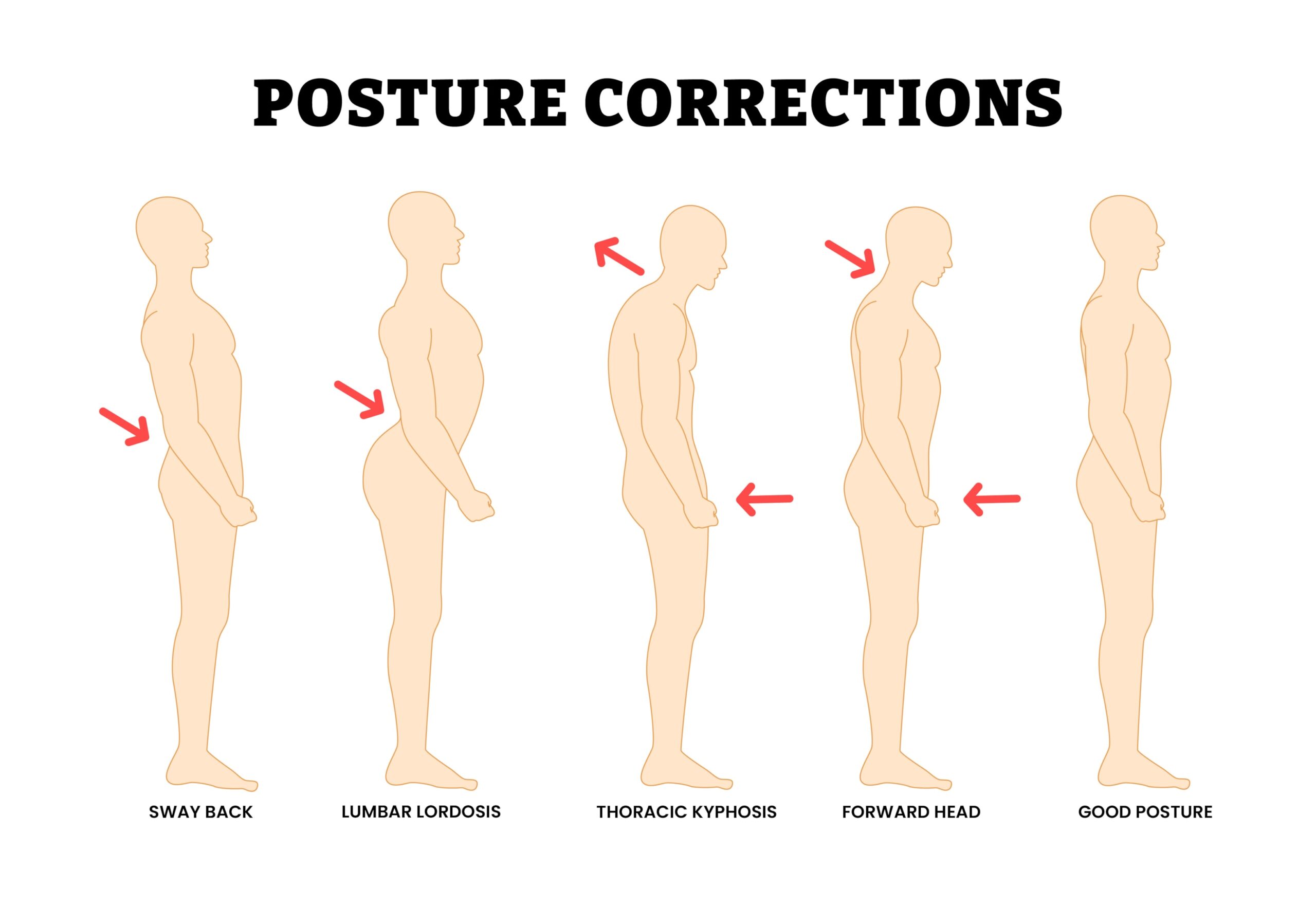 As the body ages, gradual changes in muscle strength, joint flexibility, and bone density can contribute to noticeable shifts in posture. These changes often occur slowly over time, but they can have a profound impact on mobility, balance, and overall health. Recognizing the most common postural problems among older adults is the first step toward addressing them effectively through corrective exercise and functional training.
Forward Head Posture
One of the most prevalent issues in older adults, forward head posture occurs when the head juts forward in front of the shoulders. This misalignment often develops from years of poor sitting habits or prolonged use of electronic devices. It places strain on the neck and upper back muscles, leading to stiffness, tension headaches, and reduced range of motion.
Rounded Shoulders (Kyphosis)
Kyphosis, or excessive curvature of the upper back, is another common postural issue. It is often caused by weakened upper back muscles, tight chest muscles, and degenerative spinal changes. This posture not only affects appearance but can also restrict breathing capacity and cause discomfort in the neck and shoulders.
Anterior Pelvic Tilt
An anterior pelvic tilt occurs when the pelvis rotates forward, often due to tight hip flexors and weak gluteal or abdominal muscles. This imbalance can lead to lower back pain and limited hip mobility, making walking and standing for long periods more difficult.
Flat Back Posture
In contrast to kyphosis, flat back posture results from a loss of the natural curvature in the lower spine. This can cause a stooped appearance and difficulty maintaining an upright position. It often stems from muscle imbalances and prolonged sitting or inactivity.
Swayback Posture
Swayback occurs when the hips and pelvis are pushed forward and the upper body leans backward to compensate. This posture places stress on the lower spine and can lead to chronic discomfort, especially in individuals who spend long hours standing or sitting without proper support.
Uneven Shoulders or Hips
Muscle imbalances, leg length discrepancies, or scoliosis can cause uneven shoulders or hips. Over time, this misalignment can affect gait, balance, and stability, increasing the risk of falls or joint strain.
👉Also Read: Beyond the Scale: Why Weight Management After 40 Is More About Function Than Looks
What Are Some of the Hidden Costs of Ignoring Postural Decline?
Postural decline is often gradual, and many seniors may not notice its impact until it begins to affect daily activities. Ignoring changes in posture can carry hidden costs that go beyond mere aesthetics, impacting physical health, mobility, and overall quality of life.
Increased Risk of Falls and Injuries
Poor posture affects balance and stability, making falls more likely. For older adults, even a minor fall can lead to serious injuries such as fractures, joint damage, or head trauma, which can significantly reduce independence.
Chronic Muscle Tension and Joint Stress
Misaligned posture places extra strain on muscles and joints. Over time, this can cause muscle strain, chronic tension, stiffness, and discomfort in areas such as the neck, shoulders, hips, and lower back, making movement more difficult and limiting functional ability.
Reduced Mobility and Functional Strength
As posture worsens, certain muscle groups weaken while others overcompensate, limiting range of motion and functional strength. This can make routine activities—like bending, lifting, walking, or climbing stairs—more challenging and potentially unsafe.
Decreased Respiratory Efficiency
A hunched posture compresses the chest and abdomen, potentially restricting lung expansion and impairing breathing, which reduces oxygen intake and physical endurance. Less oxygen means less energy, more fatigue, and a diminished ability to do the activities you love—whether that’s golf, tennis, or playing with grandchildren.
Digestive and Circulatory Impacts
Slouched posture after a meal can trigger heartburn caused by acid reflux, and hunching over on a toilet promotes constipation by closing the anus and making it harder for abdominal muscles to function properly. Poor posture compresses abdominal organs, affecting digestion and causing gastrointestinal discomfort.
Negative Effects on Confidence and Mental Health
Postural decline can influence self-image, confidence, and social engagement. Seniors who feel stiff or limited in movement may avoid activities they once enjoyed, contributing to isolation or decreased quality of life.
Science-Backed Posture Correction Exercise Programs
Research shows that targeted therapeutic exercises can result in large improvements in neck posture and moderate reductions in neck pain in participants with forward head posture.
After age 40, we lose approximately 8% of our muscle mass per decade, with postural muscles being particularly vulnerable. The thoracic spine naturally develops increased kyphosis (forward rounding) as we age, with research indicating a prevalence of 20-40% for hyperkyphosis in the elderly. This isn’t inevitable—it’s correctable.
A study demonstrated that elderly participants aged 60-75 who participated in a program based on Alexander posture correction techniques, performed one hour per session, three sessions a week for 8 weeks, experienced significant improvements in postural alignment and balance control.
The Four Pillars of Posture Correction
Thoracic Extension Mobility
The rounded upper back is often the root cause of cascading postural problems. Studies show that scapular stabilization based exercise interventions successfully increase shoulder range of motion and decrease forward head and shoulder postures. This improved mobility reduces the compensatory movement patterns that lead to injury.
Scapular Stabilization
Your shoulder blades are the foundation of upper body posture. Research indicates that scapular instability has been linked to around 68% of rotator cuff problems and is a contributing factor in most shoulder injuries. Clinical trials have demonstrated that scapular stabilization exercises are effective in improving scapular dyskinesis, reducing pain, increasing muscle strength, and improving shoulder function in patients with shoulder pain.
Deep Neck Flexor Strengthening
The epidemic of “tech neck” affects adults of all ages. A 2014 study found that the effective weight of your head on your spine increases from 10 to 12 pounds in the neutral position to 49 pounds when your head is hunched forward at a 45-degree angle. Research from 2019 shows that patients who received deep neck flexor training and stabilization exercises three times a day for 6 weeks experienced pain reduction and improvement in function and correct body posture.
Hip Flexor Lengthening
Tight hip flexors from prolonged sitting create anterior pelvic tilt, which cascades into lower back strain and poor overall posture. Studies have shown that stretching treatment of the iliopsoas complex increases hip extension, reduces pain, and aids the return to normal activity for patients with low back pain. Systematic reviews indicate that hip flexor stretching of up to 120 seconds has positive effects on performance parameters and can help reduce muscle tightness that contributes to spinal issues.
Why Generic Programs Often Fail for Those Over 40
Generic exercise programs often fall short for individuals over 40 because they fail to consider the unique physical changes, health conditions, and lifestyle factors that come with age. Standardized routines rarely account for joint health, previous injuries, chronic conditions, or individual movement limitations. Following a “one-size-fits-all” program can lead to frustration, limited progress, or even injury.
Effective coaching requires a personalized approach, tailored to each client’s body, fitness level, and goals. This includes modifying exercises to accommodate joint vulnerabilities, correcting muscular imbalances, and targeting functional strength to support daily activities like walking, golfing, or playing pickleball.
Personalized fitness programs emphasize sustainable, science-backed practices over quick fixes. By focusing on functional movement, posture, and long-term progression, these programs not only produce better results but also increase adherence, reduce the risk of injury, and help clients maintain an active, independent lifestyle well into their later years.
Introducing the Dynamic Variable Neuromuscular Stimulation Approach
At The Facility for Personal Training in Boca Raton, we use a science-driven approach to fitness for adults over 40 through our exclusive Dynamic Variable Neuromuscular Stimulation (DVNS) system. Developed by Dr. Barry Steinberg—M.D., D.D.S., Ph.D., F.A.C.S., DVNS applies advanced knowledge of anatomy, physiology, and functional movement to deliver precise, efficient, and targeted training.
DVNS is uniquely designed to account for each client’s body composition, medical history, and movement patterns. By stimulating specific muscle groups, it enhances strength, balance, and mobility while minimizing injury risk. This ensures every exercise is purposeful, scientifically backed, and aligned with individual fitness goals.
Whether the objective is improving posture, building functional strength, or maintaining an active lifestyle, DVNS allows older adults and those with medical considerations to train safely and effectively. Clients experience measurable improvements in alignment, muscular coordination, and overall performance, supporting independence, confidence, and long-term activity.
Guidance for Specific Conditions
DVNS and personalized training also provide targeted guidance for clients managing specific conditions:
- Rounded Shoulders or Poor Posture: Exercises focusing on the chest, upper back, and shoulder muscles help correct imbalances and improve alignment.
- Joint Concerns: Shoulder, knee, and hip limitations are accommodated with exercise modifications to strengthen supporting muscles while protecting vulnerable joints.
- Chronic Conditions: Clients with diabetes, metabolic concerns, or age-related functional decline benefit from movements that enhance mobility, circulation, and overall joint health.
Through this approach, each program is tailored to support safe, functional, and sustainable improvements, allowing clients to stay active, confident, and engaged in the activities they enjoy.
Benefits of Maintaining Good Posture
Maintaining proper posture is one of the most effective ways to preserve mobility, strength, and overall health—especially as we age. When the body is correctly aligned, it functions more efficiently, reducing physical strain and promoting long-term well-being.
Good posture minimizes unnecessary stress on the bones, muscles, and joints, reducing the risk of wear and tear that can contribute to conditions such as arthritis and degenerative disc disease. Proper alignment also supports spinal integrity, helping to prevent the development of fixed abnormal positions that can lead to chronic pain and limited mobility.
Beyond physical health, posture directly influences how we feel and perform daily activities. Standing and sitting upright can improve lung capacity and oxygen flow, leading to greater energy levels, sharper focus, and an overall sense of vitality. Studies also suggest that good posture can positively affect mood, confidence, and cognitive function by promoting better communication between the brain and body.
Incorporating posture-enhancing exercises—such as core strengthening, flexibility work, and controlled stretching—helps reinforce musculoskeletal balance and coordination. Over time, these habits improve alignment, stability, and movement efficiency, allowing you to stay active, functional, and independent well into later years.
Tips for Incorporating Posture Exercises into Daily Routine
Improving posture doesn’t require dramatic lifestyle changes—it simply takes consistency and mindful movement throughout the day. By integrating a few strategic habits and exercises into your daily routine, you can enhance alignment, reduce stiffness, and support long-term musculoskeletal health.
Start Your Day with Mobility Work
Begin each morning with gentle stretches that wake up the body and loosen tight muscles. Focus on movements that open the chest, lengthen the spine, and activate the core. Even five to ten minutes of focused stretching can improve posture awareness throughout the day.
Be Mindful of Your Sitting Position
If you spend long hours at a desk, ensure your workspace promotes proper alignment. Keep your feet flat on the floor, shoulders relaxed, and the screen at eye level. Consider setting reminders to check your posture every hour and take short standing breaks to relieve pressure on your spine.
Strengthen the Core and Back Muscles
A strong core and back provide the foundation for good posture. Incorporate exercises such as planks, bird-dogs, and wall angels into your workout routine to build endurance and support spinal stability. These exercises can be modified to suit all fitness levels.
Integrate Posture Checks Throughout the Day
Posture correction is a continuous process. Make it a habit to perform quick posture checks—especially when standing, sitting, or lifting. Visualize a straight line from your ears to your shoulders, hips, and ankles to ensure proper alignment.
End the Day with Gentle Stretching or Foam Rolling
Tight muscles accumulated throughout the day can pull the body out of alignment. Evening stretching or foam rolling can release tension in the neck, shoulders, and lower back, improving circulation and preparing the body for restful sleep.
Stay Consistent and Patient
Postural improvements develop over time. The key is consistency—integrating small, mindful movements each day leads to lasting changes in strength, flexibility, and overall function.
👉Also Read: Discover the Benefits of Pilates in Boca Raton for Total Body Wellness – Your Path to a Healthier You
Take the First Step Toward Better Posture and Functional Living
Your posture is more than how you stand—it’s the foundation of how you move, feel, and age. At The Facility for Personal Training in Boca Raton, we combine advanced science, medical insight, and personalized coaching to help clients over 40 strengthen their bodies, improve alignment, and restore functional movement.
Our trademarked Dynamic Variable Neuromuscular Stimulation (DVNS) system, developed by Dr. Barry Steinberg, integrates proven scientific research with individualized assessments to create programs that adapt to your body, health history, and goals. Whether you’re looking to improve balance, reduce joint discomfort, or stay active in golf, tennis, or pickleball, we’ll help you move safely, efficiently, and with confidence.
Don’t let poor posture or chronic discomfort limit your active years. Discover how a personalized, science-backed approach can help you live stronger, longer, and with greater independence.
Call The Facility for Personal Training today at (561) 997-8348 to schedule your private consultation. Experience how our unique approach to posture and functional fitness can help you achieve lasting results—one precise movement at a time.
Frequently Asked Questions
Can You Correct Years of Bad Posture?
Yes, years of poor posture can be corrected—with consistency, proper guidance, and a science-based approach. While structural changes in the spine that occur over decades may not be fully reversible, most posture-related issues stem from muscle imbalances, joint stiffness, and poor movement habits—all of which can be improved significantly through targeted exercise and neuromuscular re-education.
Can Hunchback Posture Be Corrected?
Yes—hunchback posture, or excessive rounding of the upper back, can often be improved with targeted exercises and consistent practice. Strengthening the upper back, shoulders, and core, combined with mobility work for the thoracic spine, helps restore proper alignment and reduces strain. At The Facility for Personal Training in Boca Raton, our DVNS-based programs retrain muscles and improve posture safely, allowing clients to regain confidence, enhance mobility, and maintain an active, independent lifestyle.