

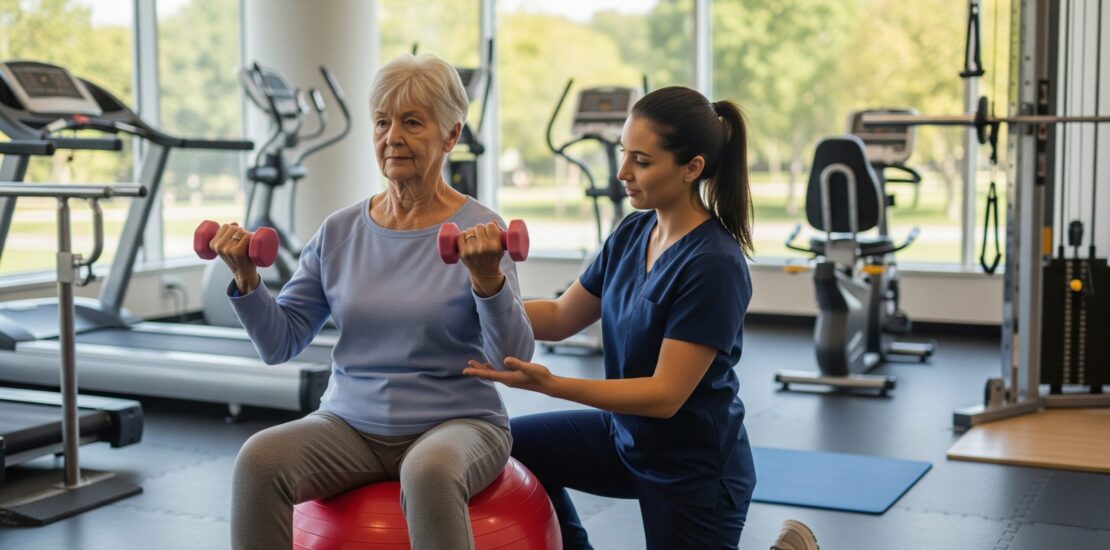
Many adults in Boca Raton stay active, exercise regularly, and still struggle with persistent back pain, stiff joints, and low energy. Workouts that once felt productive now leave them sore or fatigued without delivering visible results. Over time, frustration sets in, and many begin to wonder whether feeling limited is simply part of getting older.
The reality is that most fitness programs are not designed for adults over 40. Generic routines often overlook how recovery, movement quality, and joint tolerance change with age. When training does not match your current needs, it can quietly contribute to plateaus, discomfort, and declining energy instead of preventing them.
At The Facility for Personal Training in Boca Raton, FL, personal training begins with understanding how you move today, not how you moved years ago. Our personal trainers design strength programs that respect joint health, restore confidence in movement, and rebuild strength safely and efficiently. When training is aligned with your body’s needs, pain decreases, energy improves, and progress becomes sustainable rather than exhausting.
Ready to move without pain and regain your energy? Start your fitness journey with a personalized assessment at The Facility for Personal Training today by calling (561) 997-8348.
👉Also Read: The Science of Slowing Aging: How Resistance and Balance Training Keep You Younger and Healthier
Why Back Pain and Joint Stiffness Are So Common Later in Life
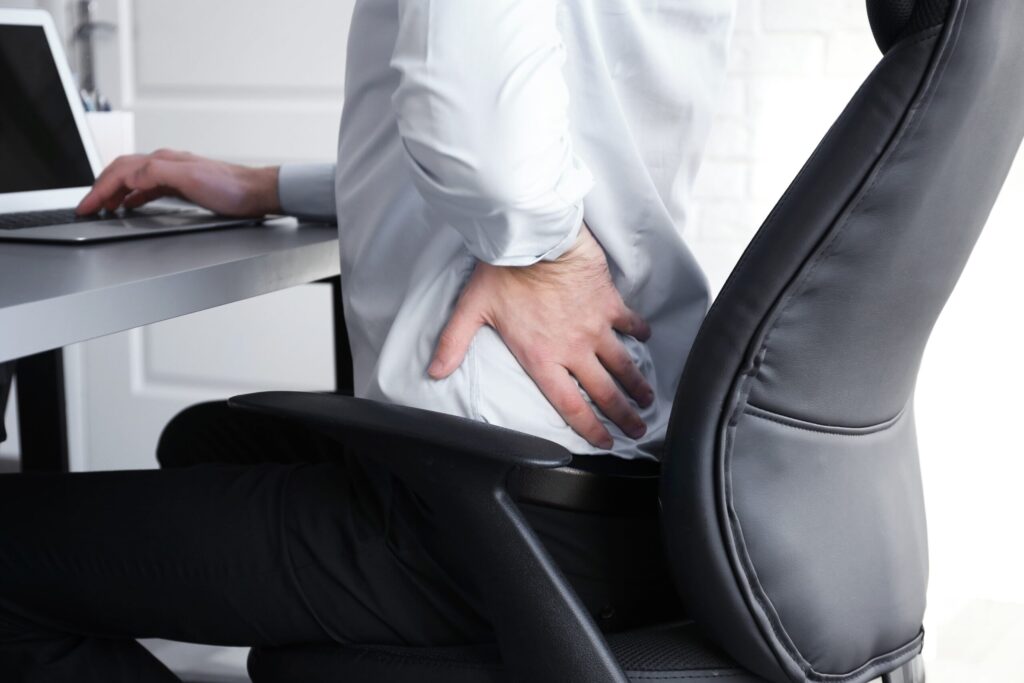 After age 40, several physical changes begin to accelerate. Muscle mass gradually declines, flexibility decreases as connective tissues lose elasticity, and cartilage in weight-bearing joints slowly wears down. Together, these changes reduce joint support and place greater stress on the spine, hips, knees, and shoulders.
Lifestyle factors compound these natural shifts. Years of desk work, commuting, and sedentary habits encourage poor posture, tighten hip flexors, weaken core muscles, and round the upper back. Repetitive activities such as golf, tennis, or pickleball can further reinforce muscle imbalances. The body often compensates quietly for years until those imbalances finally result in pain or stiffness.
Common contributors to chronic back and joint pain include:
| Factor | How It Affects Your Body |
| Weak core muscles | Reduces spinal stability, forcing the lower back to compensate during movement and load bearing |
| Tight hip flexors | Tilts the pelvis forward, increasing compressive stress on the lumbar spine |
| Glute weakness | Transfers workload to the lower back during standing, walking, and lifting |
| Cartilage degeneration | Decreases joint cushioning, increasing friction and discomfort in the knees, hips, and spine |
| Previous injuries | Promotes compensatory movement patterns that overload surrounding joints |
When the core and glutes are not providing adequate support, the lower back is forced to compensate. This is why simple movements such as standing from a chair, lifting groceries, or bending forward can trigger pain that feels out of proportion to the activity.
Joint pain in the knees, hips, and shoulders is often linked to arthritis or past injuries. In many cases, strengthening the muscles surrounding those joints helps reduce daily discomfort by improving stability and decreasing the load placed directly on the joint itself.
👉Also Read: What Are the Health Benefits of Circuit Training Programs for Seniors in Boca Raton?
How Low Energy Impacts Daily Life and Overall Well-Being
Low energy affects more than stamina; it can limit the enjoyment of daily activities. Walking on the beach feels tiring, rounds of golf or tennis become draining, and keeping up with grandchildren can feel overwhelming instead of fun.
Chronic fatigue in adults over 40 often stems from multiple, interconnected factors:
- Poor sleep caused by back or joint discomfort
- Sedentary habits develop when movement is painful
- Medications that list fatigue as a side effect
- Muscle loss that makes everyday tasks more demanding
- Mitochondrial decline that reduces the body’s cellular energy production
These factors create a cycle: pain leads to inactivity, inactivity leads to weakness, and weakness fuels more pain and fatigue. Breaking this cycle requires intentional, carefully dosed movement designed to rebuild strength and endurance without causing setbacks.
Properly structured exercise improves circulation, strengthens the heart, and enhances energy production at the cellular level. Beyond physical benefits, consistent training can reduce anxiety, improve stress tolerance, boost mental clarity, and elevate mood. For adults over 40, whether retirees or working professionals, these mental and emotional benefits are often as valuable as the physical improvements, helping restore vitality for everyday life.
The Risks of Ignoring Back Pain, Joint Issues, and Fatigue
“Waiting it out” rarely works. Ignoring back pain, joint stiffness, and chronic fatigue can lead to worsening discomfort, reduced mobility, and weight gain, especially after age 50. What begins as occasional soreness can progress into persistent conditions that significantly impact quality of life.
Key risks of inaction include:
- Higher fall risk: Adults with untreated balance deficits and movement limitations face 2–3 times greater risk of falls. Falls account for approximately 3 million emergency room visits annually among U.S. adults over 65, with roughly 25% resulting in fractures.
- Accelerated muscle and bone loss: Without resistance training, sarcopenia accelerates, and bones lose density more rapidly, increasing risk of fractures and frailty.
- Greater reliance on medication: Many adults turn to pain relievers rather than addressing the underlying causes, which can have side effects and limit long-term effectiveness.
- Loss of independence: Difficulty with walking, climbing stairs, or performing daily tasks can eventually require assistance or long-term care.
Compensating for pain often creates secondary problems. Favoring one leg to protect a knee can stress the opposite hip, while leaning to avoid back discomfort can create muscle imbalances that affect the shoulders, neck, or spine. The body can compensate effectively for a time, but these adaptations often generate new issues.
Addressing back pain, joint issues, and fatigue early with a medically informed fitness plan can reduce the likelihood of invasive procedures such as joint replacements or spinal surgery. Proactive management is almost always more effective and less costly, in terms of money, time, and overall quality of life, than reactive treatment.
👉Also Read: What Makes Senior Personal Training in Boca Raton Different from Regular Workouts?
Why Personalized Training Sessions Matter After 40
After 40, generic workout programs often fail to meet the needs of adults managing joint pain, past injuries, or chronic fatigue. What works for a healthy 25-year-old may be ineffective, or even harmful, for someone over 40. Personalized training ensures exercises are safe, effective, and tailored to your body, goals, and lifestyle.
At The Facility for Personal Training in Boca Raton, our fitness and wellness programs account for:
- Current injuries or pain patterns
- Past surgeries or joint replacements
- Medications affecting energy or heart rate
- Physician or physical therapy recommendations
- Individual health, fitness goals, and daily life demands
A tailored program determines safe ranges of motion, appropriate resistance levels, and pacing that avoids flare-ups, helping you train smarter, not harder.
Safely Addressing Pain and Mobility
Certified personal trainers modify exercises for back, joint, or post-surgical limitations. Key strategies include:
- Supported positions to reduce joint stress
- Slow, controlled movements within pain-free ranges
- Gradual capacity-building as the body adapts
Examples of safer exercise modifications:
| Standard Exercise | Modified Version for Joint/Back Concerns |
|---|---|
| Deep squats | Squats to a chair or high box |
| Lunges | Supported step-ups |
| Bent-over rows | Seated or chest-supported rows |
| Floor planks | Chair- or wall-based core work |
| Standing balance drills | Balance with support nearby |
Low-Impact Strength Training for Joint Support and Muscle Building
Strengthening muscles around vulnerable joints reduces pain, stabilizes movement, and protects cartilage. Low-impact options include:
- Machines with controlled resistance
- Resistance bands
- Cable systems
- Light free weights
Common joint-friendly exercises:
- Leg presses with a limited range for knees
- Hip bridges for lower back and hips
- Wall-supported squats
- Seated rowing for posture
- Light shoulder work for rotator cuff support
Training focuses on proper form, controlled tempo, and safe progression, allowing adults over 40, 50, and 60 to build strength, improve physical fitness, and address health challenges without worsening pain.
Balance, Flexibility, and Posture
Falls and poor posture become more common with age. Targeted exercises improve ankle, knee, hip, and core stability, enhancing walking, stair navigation, and overall mobility. Typical exercises include:
- Heel-to-toe walking with support
- Single-leg stands
- Step-ups and step-downs
- Calf, hamstring, and hip flexor stretches
- Chest and shoulder mobility
- Core stability drills
Improved posture enhances breathing, movement efficiency, and confidence in daily activities.
Boosting Energy and Vitality
Proper strength training, low-impact cardiovascular work, and recovery strategies can noticeably increase energy within weeks. Low-impact cardio options include:
- Treadmill walking at a moderate incline
- Recumbent cycling
- Controlled step-ups
- Modified rowing
Our fitness professionals monitor heart rate and exertion to ensure workouts energize rather than deplete. Recovery, including stretching, breathing exercises, and sensible frequency (2–3 sessions per week), is equally important.
What Does a Boca Raton Personal Trainer Do for Adults Over 40?
A skilled personal trainer functions as a medically aware coach, not a “boot camp sergeant.” At The Facility for Personal Training:
- Trainers coordinate with physicians or physical therapists
- Exercise intensity is adjusted based on symptoms
- Progression is gradual to prevent setbacks
- Clients receive motivation and accountability
Measuring functional progress, walking distance, stair climbing, and standing endurance keeps clients engaged and ensures meaningful gains.
What Real Benefits Can You Expect from a Personalized Training Plan?
Within 4–8 weeks, many clients notice tangible improvements with customized workouts:
- Reduced stiffness and pain
- Better sleep and energy
- Increased confidence moving outdoors
- Improved ability to perform household tasks and errands
- Greater endurance for travel, sports, or social activities
- Enhanced posture, mobility, and range of motion
Strengthening supporting muscles and restoring mobility reduces compensatory movements, lowering the risk of new pain.
👉Also Read: Revolutionizing Personal Training: How AI and DVNS Science™ Are Transforming Fitness for Adults Over 40
Personal Training Programs in Boca Raton, FL: Take the First Step Toward a Stronger, Pain-Free Life
At The Facility for Personal Training, every session is tailored to your body, your health and fitness goals, and your lifestyle. Our boutique studio specializes in one-on-one, medically informed training designed for adults over 40, 50, and beyond.
Your free initial consultation gives you a clear roadmap to better mobility, strength, and energy:
- Explore your pain history, medical conditions, and personal goals
- Assess posture, balance, and movement safely
- Receive program recommendations designed for your lifestyle and energy levels
- Tour our private, distraction-free training environment
As your strength, stamina, and confidence grow, so does your program, ensuring results that last.
Don’t wait to feel better. Schedule your free consultation today and start moving smarter, safer, and stronger.
Frequently Asked Questions
Can I start training if my doctor has restricted certain movements?
Yes. Our programs are built around your doctor’s guidelines, not despite them. We coordinate with physicians or physical therapists as needed, designing gentle, safe movements that focus on posture, breathing, and light mobility while still providing real benefits. Your restrictions guide the program, not limit it.
How soon will I feel relief from back or joint pain?
Small improvements in stiffness, walking comfort, or sleep often appear within 3–6 weeks. More significant gains in strength, posture, and endurance typically take 8–12 weeks or longer. Trainers adjust sessions continuously to ensure steady progress without setbacks, helping clients regain comfort and function safely.
What if I’ve never exercised or feel out of shape?
Many of our clients start with little or no prior experience. Programs begin with simple, supported movements and very light resistance to build confidence and proper form. One-on-one training removes intimidation, allowing beginners to progress safely at their own pace.